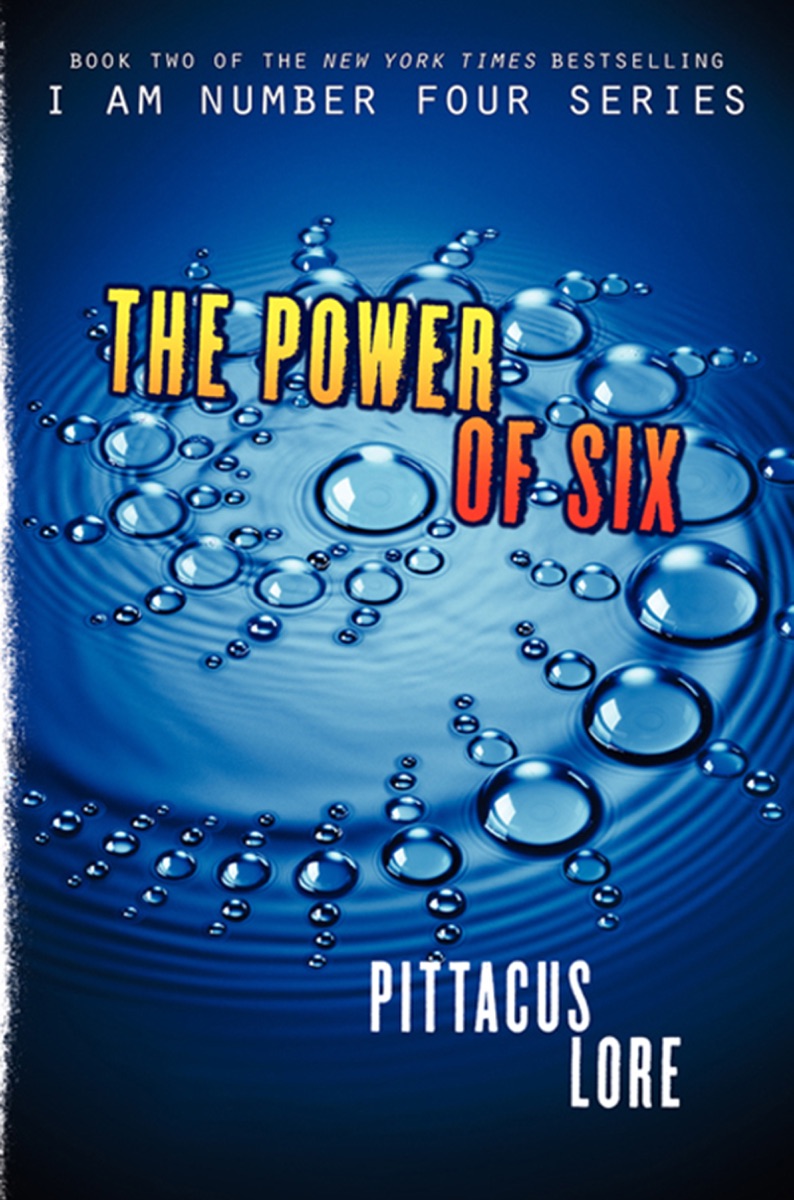
The Power of Six
by Pittacus Lore · Lorien Legacies #2
John Smith and a hidden Garde named Marina race toward each other across two continents while the Mogadorians close in - an action-packed dual-POV expansion of the Lorien universe.
The story
John Smith is on the run again, branded a terrorist after the events of Paradise, Ohio. Joined by Six and his best friend Sam, he heads south to find Sam's missing father and locate the other surviving Garde before the Mogadorians do. Meanwhile, in a remote Spanish convent, a quiet orphan named Marina has been hiding her Loric heritage from everyone - including the Cepan who was supposed to train her. As her Legacies finally awaken and danger gathers around the convent walls, Marina realizes she cannot stay hidden forever. Two storylines on opposite sides of the world begin to converge toward an inevitable, devastating reunion of the surviving Garde.
Age verdict
Best for ages 13-15. The dual-POV complexity and the layered grief land best with readers who have some emotional resilience and prior series familiarity. Common Sense Media recommends 13+.
Our take
Entertainment-first YA sci-fi sequel that hooks kids hard through dual-POV expansion and emotional payoffs but offers moderate growth value and classroom utility, with the dual-narrator structure providing a small craft and discussion uplift over Book 1.
What stands out
Each audience's top 3 dimensions. Out of 30 scored per book.
Kids love
- Middle momentum Exceptional
The dual-POV structure creates relentless convergence momentum — every Marina chapter ends with escalating threat at the convent (her guardian pulling away, Mogadorian scouts arriving, the underwater Legacy crisis), every John chapter raises stakes elsewhere (Sam's father lead, Six's training reveals, the Aeternus puzzle), and the back-half convergence accelerates with no slow patches across thirty-three chapters. Similar to Brotherband Chronicles (9, relentless propulsion across a multi-quest middle) — the two-track relay structure sustains forward pull from chapter one through climax.
- Heart-punch Strong
the death of a guardian figure protecting the young Garde, Marina mourning the only mother-figure she ever knew, and a late-act loss that reshapes the surviving Garde deliver three distinct emotional paydays at different scales. Similar to Earthquake in the Early Morning (8, three emotional paydays at different scales); the cumulative grief lands hard but lacks the single concentrated devastation of Book 1's guardian death (9).
Parents love
- Emotional sophistication Strong
Marina's grief at a guardian-figure death is layered with anger, guilt, and complicated mourning for a guardian who had stopped believing in her — a more complex bereavement than simple loss. John's survivor guilt over Henri compounds across the book in subtle ways. Similar to Hollow City (7, multiple emotional registers held simultaneously) — the cumulative emotional architecture exceeds Book 1's single concentrated grief.
- Vocabulary builder Solid
At Lexile 840L, the prose introduces tier-2 and tier-3 vocabulary naturally — words like 'lethargic,' 'reverberate,' 'subterranean,' and Loric-specific terminology (Aeternus, Garde, Cepan, Mogadorian) enter through context. Stronger than I Am Number Four (5, Lexile 700L); the higher Lexile and dual-POV exposure to two vocabulary registers (Marina's bookish convent voice, John's contemporary teen voice) widens the word bank.
Teachers love
- Mentor text quality Solid
The dual-POV structure is a craft model — the book demonstrates how to handle alternating narrators with distinct voices, how to converge two storylines, and how to use a second narrator to reveal information the first cannot know. The convent crisis scene also models building dread through small details. Stronger than Book 1 (5, single-register craft); similar to Diary of a Wimpy Kid: Hard Luck (5, voice-through-complaint) plus the added craft layer of POV alternation.
- Discussion fuel Solid
a guardian's choice to abandon her duty as a Cepan generates substantive discussion about responsibility and faith. Marina's question of whether to leave a guardian who has rejected her opens conversations about loyalty. The ethics of revealing the Garde to humanity provides genuine moral reasoning material. Similar to Nate the Great and the Wandering Word (6, central question generating genuine investigation).
✓ Perfect for
- • Readers who loved I Am Number Four and want the world expanded
- • Fans of dual-POV narration
- • Teens who enjoy sci-fi with strong female protagonists
- • Action-adventure readers who want emotional stakes alongside the powers
Not ideal for
Readers picking up the series mid-stream - Book 2 assumes Book 1 knowledge from the first page. Also not ideal for readers sensitive to guardian-figure death, sustained violence, or open-ended endings that prioritize series continuation over closure.
⚠ Heads up
At a glance
- Pages
- 406
- Chapters
- 33
- Words
- 95k
- Lexile
- 840L
- Difficulty
- Moderate
- POV
- Alternating
- Illustration
- None
- Published
- 2011
Mood & style
You'll know it worked when…
Readers who enjoyed Book 1's emotional intensity and are willing to commit to a slower-building dual-POV structure will finish; readers expecting Book 1's tighter single-narrator pace may stall in the early Marina chapters.
If your kid loved "The Power of Six"
Matched across 30 dimensions — interest hooks, character appeal, tone, pacing, emotional core. Not by what other people bought. By what fits the same reader profile.
Divergent
by Veronica Roth
Same genre (sci fi). Both intense in tone
Catching Fire
by Suzanne Collins
Same genre (sci fi). Both intense in tone
The Giver
by Lois Lowry
Same genre (sci fi). Both intense in tone

Aurora Rising
by Amie Kaufman & Jay Kristoff
Same genre (sci fi). Same tension source (physical danger)

Illuminae
by Amie Kaufman & Jay Kristoff
Same genre (sci fi). Both intense in tone
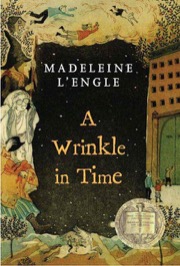
A Wrinkle in Time
by Madeleine L'Engle
Same genre (sci fi). Both intense in tone
Want more picks like this?
Get 5 hand-picked book reviews for your child's age — one email a month.