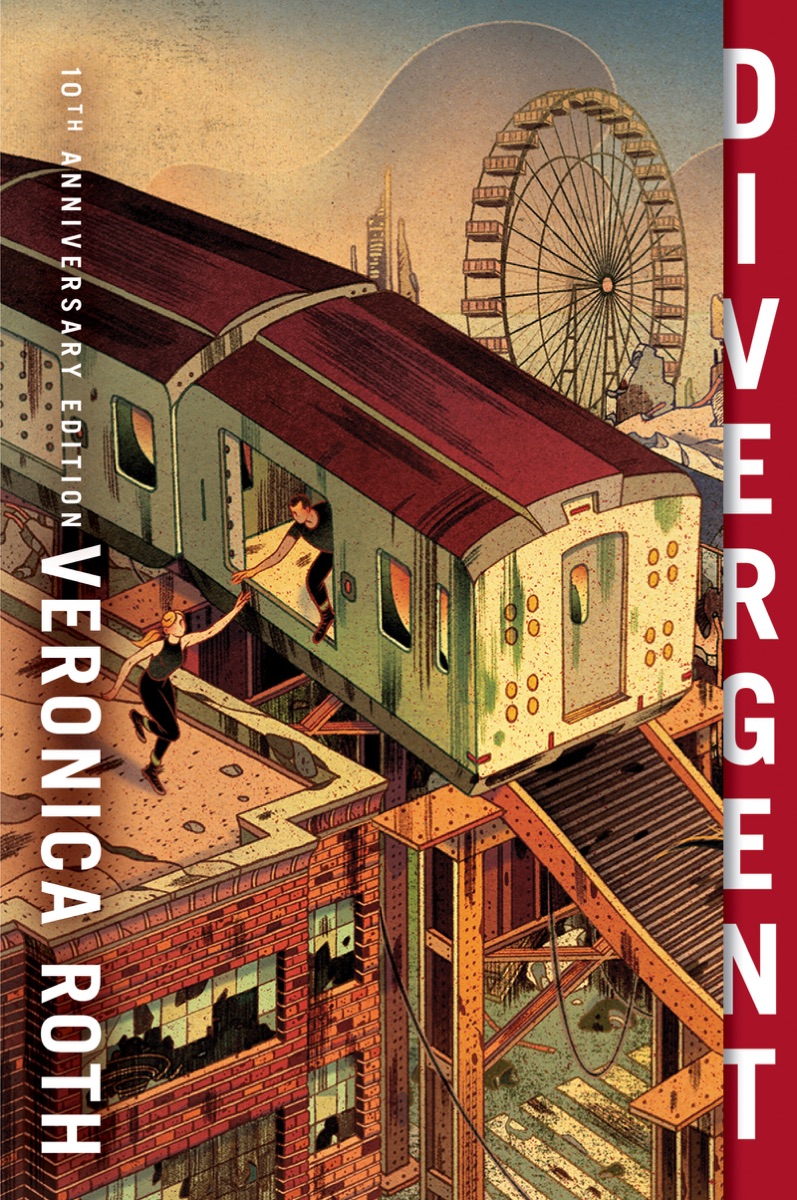
Divergent
by Veronica Roth · Divergent #1
A gripping dystopian debut where a sixteen-year-old must choose her identity in a society that demands conformity — and discovers that not fitting in might be her greatest strength.
The story
In a future Chicago divided into five factions based on virtues, sixteen-year-old Beatrice must choose which group to join for life. When she discovers she doesn't fit any single faction — a dangerous condition called Divergence — she must hide her true nature while surviving a brutal initiation process, navigating new relationships, and uncovering a conspiracy that threatens to destroy everything she loves.
Age verdict
Best for ages 14-16. Mature 12-year-olds can handle it with parental awareness of the violence and emotional intensity. The themes of identity, choice, and institutional trust resonate most powerfully with mid-teens navigating their own independence.
Our take
A dystopian thriller that engages teens through action and identity themes while offering teachers rich material for critical thinking and discussion. Strongest in classroom applications and weakest in humor, reflecting its serious, intense tone.
What stands out
Each audience's top 3 dimensions. Out of 30 scored per book.
Kids love
- New world unlocked Exceptional
Comparable to Artemis Fowl , sits at 9 because the five-faction system is fully realized with distinct social structures, dress codes, initiation practices, and competing values, rewarding sustained cultural engagement and world-extension. The fear simulation technology and the late revelation that the entire system was engineered as social control add layered depth that generates sustained curiosity about 'how does this society actually function beneath ideals?' The world has spawned faction quizzes, fan art, and identity-exploration conversations that persist beyond reading. Sits at tier 9 rather than 10 because while genuinely inventive, the faction infrastructure concept is less architecturally novel than Artemis Fowl's fully-developed underground fairy civilization with police forces, legal systems, and interspecies politics.
- Middle momentum Strong
the aptitude test deadline (Ch. 1-2), the Choosing Ceremony (Ch. 4), the ranking system eliminations (Ch. 6-16), the simulation mastery threshold (Ch. 8-16), and the conspiracy revelation (Ch. 17-22). Unlike Breakout's single 22-day manhunt, Divergent's three distinct initiation stages create escalating stakes that compound: physical training → simulation mastery → fear landscape revelation each raise the bar. Sits above tier 7 because nested clocks multiply tension exponentially rather than sustain linearly.
Parents love
- Moral reasoning Strong
Should you forgive someone who endangered your life (Al's attempted murder, Ch. 14)? When does loyalty to family become a prison (Beatrice leaving Abnegation)? Can violence serve justice (Four shooting Eric, Ch. 21)? Beatrice's refusal to forgive Al is presented without the author's judgment, allowing readers to weigh mercy against self-protection, creating genuine moral wrestling. Sits at tier 8 where moral territory is rich, unresolved, and genuinely debatable without obvious 'right' answer.
- Vocabulary builder Strong
aptitude, inscrutable, placid, manifestos, conscription appear without definitions, embedded in Beatrice's analytical prose and philosophical discussions of faction values. Her voice naturally models sophisticated word use, stretching teen reader vocabulary through immersion rather than forced introduction. Philosophical discussions ('What does it mean to be brave?') introduce abstract reasoning vocabulary. Sits at tier 7 because vocabulary building is natural and age-appropriate, matching the 'introduces sophisticated vocabulary naturally in context' standard.
Teachers love
- Discussion fuel Strong
Should you choose your own path even if it means losing family (Ch. 4)? Is it virtuous to forgive someone who endangered your life (Ch. 14)? When is violence justified in resistance (Ch. 21)? Can you trust institutions claiming to protect you? Students arrive at genuinely different answers based on personal values and life experience, creating productive disagreement. Sits at tier 8.
- Critical thinking development Strong
Comparable to A Court of Mist and Fury , sits at 8 because the entire narrative requires critical thinking throughout — The book requires readers to question what institutions claim (the faction system promises fairness and protection) versus what they actually do (social engineering and weaponization). Students must evaluate whether faction ideals match faction reality, trace how social engineering operates beneath the surface of a seemingly fair system, and recognize manipulation. The late revelation demands retroactive analysis of everything previously accepted. Students must distinguish appearances from underlying power structures—a critical thinking skill with direct real-world application to understanding institutions. Sits at tier 8.
✓ Perfect for
- • Teens who love action-driven dystopian fiction with strong female protagonists
- • Readers who enjoy identity and belonging themes with high physical stakes
- • Fans of The Hunger Games, The Giver, or The Maze Runner looking for their next series
Not ideal for
Sensitive readers uncomfortable with physical violence, psychological intensity, or stories that end on unresolved cliffhangers. Not recommended for readers younger than 12 without parental guidance.
⚠ Heads up
At a glance
- Pages
- 487
- Chapters
- 39
- Words
- 105k
- Lexile
- HL700L
- Difficulty
- Moderate
- POV
- First Person
- Illustration
- None
- Published
- 2011
- Publisher
- Katherine Tegen Books
- ISBN
- 9780062024039
Mood & style
You'll know it worked when…
Most teens who connect with the opening chapters finish the book in 2-4 sittings due to the relentless momentum. The cliffhanger ending drives immediate demand for the sequel.
If your kid loved "Divergent"
Matched across 30 dimensions — interest hooks, character appeal, tone, pacing, emotional core. Not by what other people bought. By what fits the same reader profile.
The Giver
by Lois Lowry
Same genre (sci fi). Both intense in tone
Catching Fire
by Suzanne Collins
Same genre (sci fi). Both intense in tone

I Am Number Four
by Pittacus Lore
Same genre (sci fi). Both intense in tone
Cinder
by Marissa Meyer
Same genre (sci fi). Same pacing (slow burn to explosive)
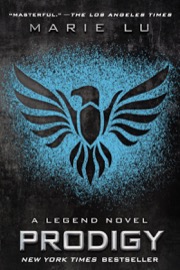
Prodigy
by Marie Lu
Same genre (sci fi). Both intense in tone
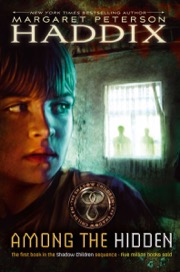
Among the Hidden
by Margaret Peterson Haddix
Same genre (sci fi). Same pacing (slow burn to explosive)
Want more picks like this?
Get 5 hand-picked book reviews for your child's age — one email a month.