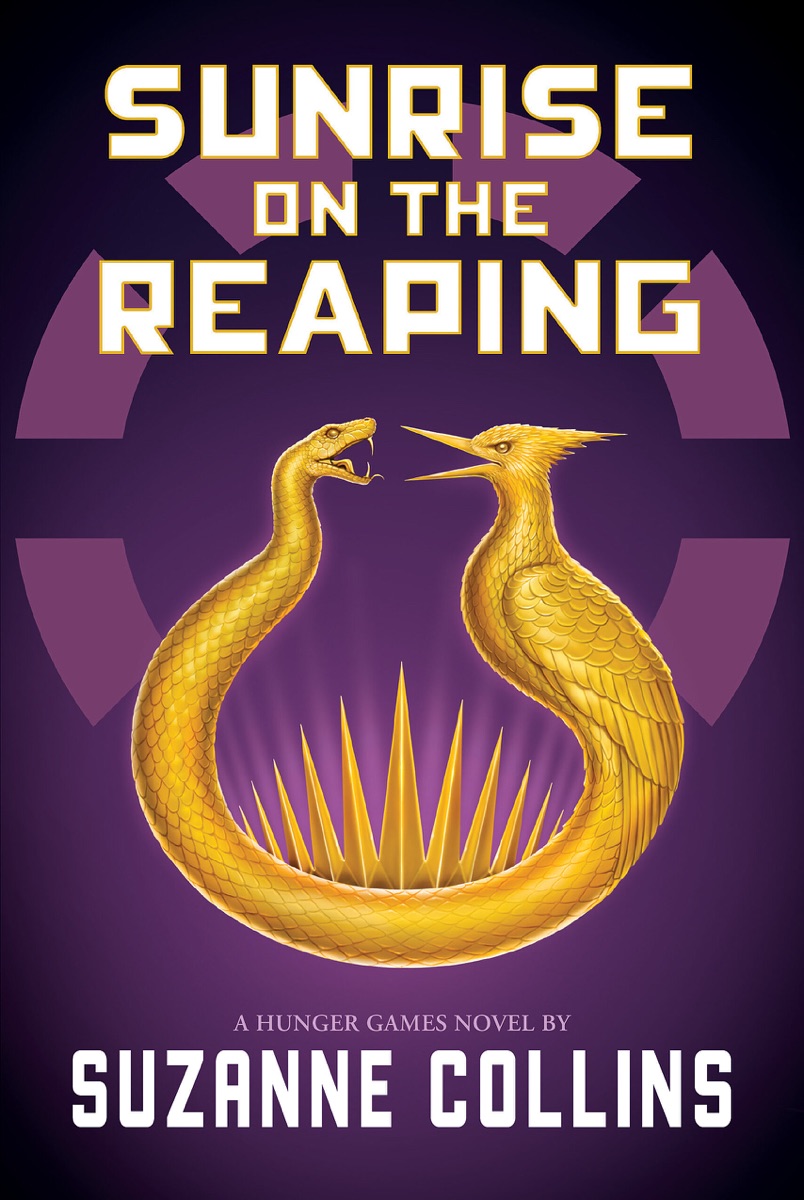
Sunrise on the Reaping
by Suzanne Collins · The Hunger Games
A devastating origin story that reveals how one victor's spirit was broken by the very system he survived.
The story
Sixteen-year-old Haymitch Abernathy is reaped for the 50th Hunger Games, a Quarter Quell that requires double the tributes. Armed with his wits, a bootlegger's education, and the memory of the girl he loves, he enters an arena with 47 other teenagers. But in Panem, surviving the Games is only the beginning of the punishment.
Age verdict
Best for ages 13-16. The Lexile level (800L) is accessible for strong middle-grade readers, but the emotional content—including devastating loss, substance abuse, and sustained grief—demands maturity. Readers 11-12 who have already read the original Hunger Games trilogy may handle it with parental guidance.
Our take
A teacher-favored dystopian novel with exceptional emotional sophistication and discussion potential, offset by limited humor and gateway accessibility. The book's greatest strength is its unflinching examination of what survival costs, making it a powerful classroom text but a demanding independent read.
What stands out
Each audience's top 3 dimensions. Out of 30 scored per book.
Kids love
- Heart-punch Exceptional
Comparable to A Court of Mist and Fury — Collins builds genuine emotional attachment to characters across opening chapters through intimate, well-observed relationship writing. The emotional stakes escalate relentlessly, delivering gut-punch moments earned through careful setup. Readers who invest will feel consequences deeply and personally. Sits at tier 9 because emotional architecture is devastating and earned.
- Middle momentum Strong
Off the Hook — Nearly every chapter ends on anticipation, death, or emotional beat that makes pausing impossible. The cascading consequences (reaping horn → Louella's death → force field discovery → victory → Lenore Dove's death) create relay-race momentum. Sits at same tier; both maintain forward drive through forced decisions.
Parents love
- Emotional sophistication Exceptional
survivor guilt without ability to articulate it, love transformed into liability under oppression, grief expressed through self-destruction, paradox of winning everything while losing what matters. Emotions shown through behavior rather than stated, requiring readers to develop emotional literacy. Sits at tier 9.
- Writing quality Strong
Comparable to A Tale Dark and Grimm — Collins writes with disciplined sensory economy, using single telling details rather than lavish description. Emotional engineering is structurally sophisticated, building toward inverted climax where external victory becomes internal defeat. Epilogue's literary integration of Poe elevates prose to genuine craft. Sits at tier 8 for structural intelligence.
Teachers love
- Discussion fuel Exceptional
Comparable to A Court of Mist and Fury — Every major plot point generates genuine classroom debate with no easy answers. Was the protagonist right to attempt political statement knowing it endangered loved ones? Is it moral to kill in self-defense within immoral system? Can you blame someone for turning to substance abuse after trauma? Students bring different values and arrive at genuinely different conclusions.
- Classroom versatility Strong
Comparable to City Spies — Works for novel study, literature circles, independent reading, read-aloud, mentor text analysis, and assessment. Propaganda elements enable media literacy units. Poe integration supports cross-text analysis with literary curriculum. Moral dilemmas fuel Socratic seminars. Multiple entry points for different teaching styles and student levels.
✓ Perfect for
- • Hunger Games fans who want to understand Haymitch's backstory
- • readers who appreciate emotionally complex survival stories
- • teens interested in dystopian fiction that examines psychological costs of oppression
- • classroom units on propaganda, ethics, and authoritarianism
Not ideal for
Readers seeking a fun, action-driven adventure with a happy ending, younger readers sensitive to grief and loss, or those looking for humor-driven entertainment. The extended epilogue focuses on trauma and despair without offering comfort.
⚠ Heads up
At a glance
- Pages
- 387
- Chapters
- 33
- Words
- 112k
- Lexile
- 800L
- Difficulty
- Moderate
- POV
- First Person
- Illustration
- None
- Published
- 2025
- Publisher
- Scholastic Inc
- ISBN
- 9781761641176
Mood & style
You'll know it worked when…
Most readers who make it through the opening third will finish, driven by emotional investment and franchise loyalty. The extended epilogue may test patience but delivers the book's most powerful material.
If your kid loved "Sunrise on the Reaping"
Matched across 30 dimensions — interest hooks, character appeal, tone, pacing, emotional core. Not by what other people bought. By what fits the same reader profile.
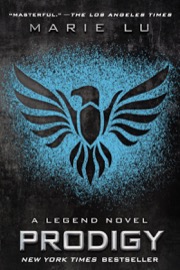
Prodigy
by Marie Lu
Same genre (sci fi). Same emotional weight (heavy)
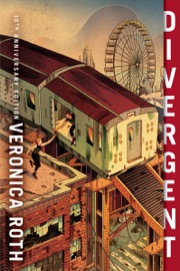
Divergent
by Veronica Roth
Same genre (sci fi). Same pacing (slow burn to explosive)
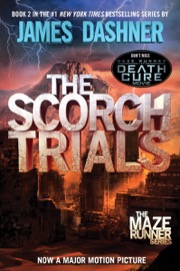
The Scorch Trials
by James Dashner
Same genre (sci fi). Same emotional weight (heavy)
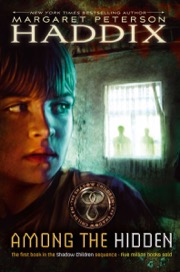
Among the Hidden
by Margaret Peterson Haddix
Same genre (sci fi). Same pacing (slow burn to explosive)

Taste of Salt: A Story of Modern Haiti
by Frances Temple
Same pacing (slow burn to explosive). Same emotional weight (heavy)
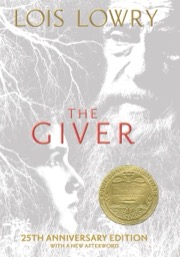
The Giver
by Lois Lowry
Same genre (sci fi). Same pacing (slow burn to explosive)
Want more picks like this?
Get 5 hand-picked book reviews for your child's age — one email a month.