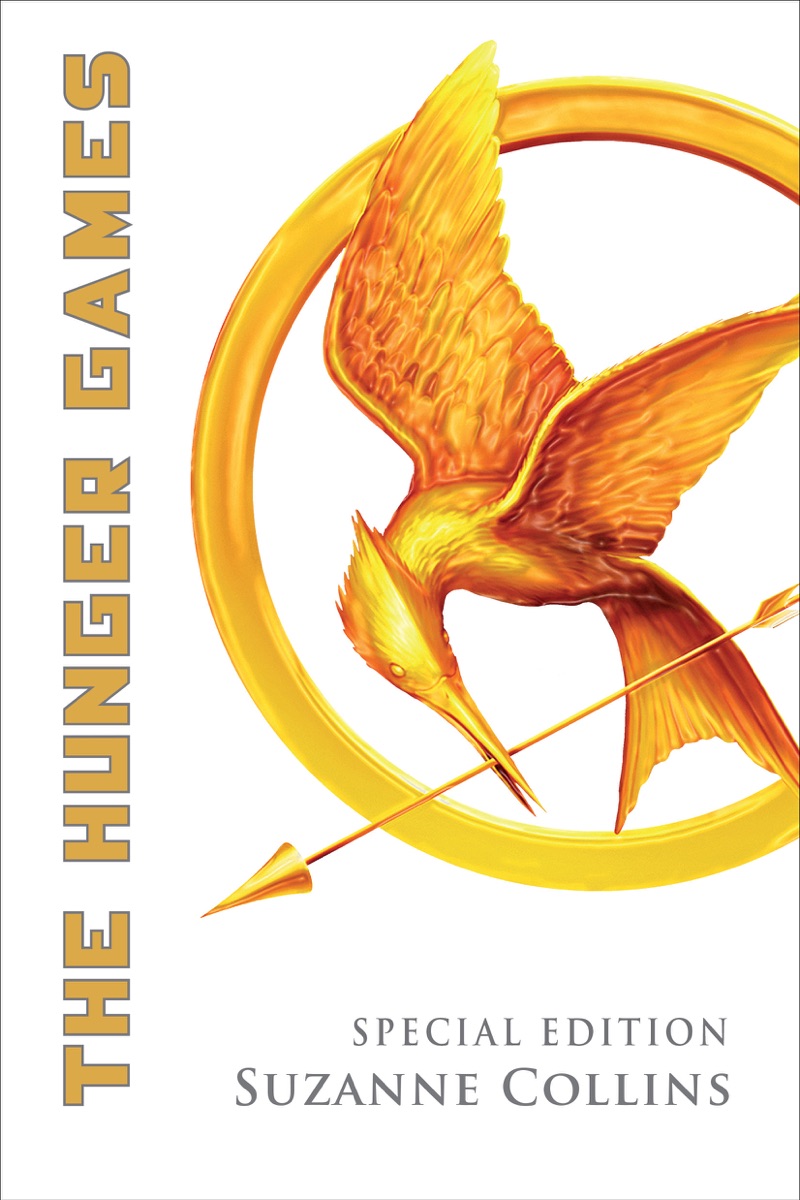
The Hunger Games
by Suzanne Collins · The Hunger Games #1
The dystopian survival story that launched a generation of readers
The story
In a future nation where the government forces children to fight to the death on live television, sixteen-year-old Katniss Everdeen volunteers to take her younger sister's place. Armed with hunting skills and fierce determination, she must navigate deadly alliances, impossible moral choices, and a public love story that may or may not be real — all while the entire country watches.
Age verdict
Best at 12-14 where readers can appreciate both the survival plot and the political allegory, though mature 11-year-olds and adult readers find it equally compelling.
Our take
A teacher's dream that kids devour for the action and parents respect for the moral complexity
What stands out
Each audience's top 3 dimensions. Out of 30 scored per book.
Kids love
- Playground quotability & cool factor Exceptional
Comparable to Mockingjay — Three-finger salute, volunteer moment, arena concept, archery skills entered mainstream youth culture. Maximum playground currency and cultural phenomenon status.
- First-chapter grab Exceptional
both establish vulnerability + unbearable suspense within opening pages. Emotional vividity matches benchmark.
Parents love
- Moral reasoning Exceptional
Is survival killing justified? When does performance become manipulation? Can love be rebellion? Book respects reader's conflictedness.
- Emotional sophistication Exceptional
Comparable to Children of Blood and Bone — Protagonist cannot separate genuine feeling from performance, survival instinct from affection, love from strategy. Emotional ambiguity teaches that real emotions are mixed, contradictory, hard to understand.
Teachers love
- Discussion fuel Exceptional
Comparable to benchmark standard — Students argue passionately about character decisions, moral dilemmas, political implications. Not everyone agrees protagonist's choices were right; ambiguous ending fuels debate. One of most discussion-rich texts.
- Read-aloud power Strong
Comparable to Lunch Lady and the Cyborg Substitute — Present-tense narration creates read-aloud urgency; short tense sentences perfectly paced for oral delivery. Opening chapter is one of best YA read-aloud hooks, though arena violence needs audience judgment.
✓ Perfect for
- • Readers aged 12-16 who crave high-stakes action with genuine moral complexity. Ideal for kids ready to grapple with questions about survival
- • sacrifice
- • and what it means to stay human under impossible pressure.
Not ideal for
Sensitive readers under 11, or those who are disturbed by children-in-peril scenarios. The violence is not gratuitous but is fundamental and unavoidable.
⚠ Heads up
At a glance
- Pages
- 374
- Chapters
- 27
- Words
- 100k
- Lexile
- 810L
- Difficulty
- Moderate
- POV
- First Person
- Illustration
- None
- Published
- 2008
- Publisher
- Scholastic
- ISBN
- 9780439023481
Mood & style
You'll know it worked when…
Extremely high completion rate. The relentless pacing and chapter-ending hooks make this a classic stay-up-all-night read — most readers finish in 2-3 sittings.
If your kid loved "The Hunger Games"
Matched across 30 dimensions — interest hooks, character appeal, tone, pacing, emotional core. Not by what other people bought. By what fits the same reader profile.
The Scorch Trials
by James Dashner
Same genre (sci fi). Both intense in tone
Divergent
by Veronica Roth
Same genre (sci fi). Both intense in tone
The Giver
by Lois Lowry
Same genre (sci fi). Both intense in tone
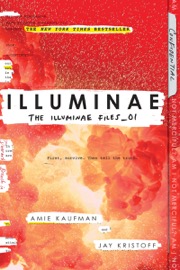
Illuminae
by Amie Kaufman & Jay Kristoff
Same genre (sci fi). Both intense in tone
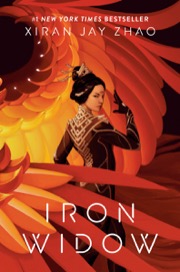
Iron Widow
by Xiran Jay Zhao
Same genre (sci fi). Both intense in tone
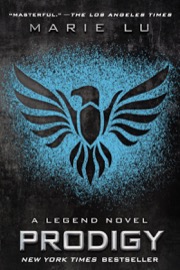
Prodigy
by Marie Lu
Same genre (sci fi). Both intense in tone
Want more picks like this?
Get 5 hand-picked book reviews for your child's age — one email a month.