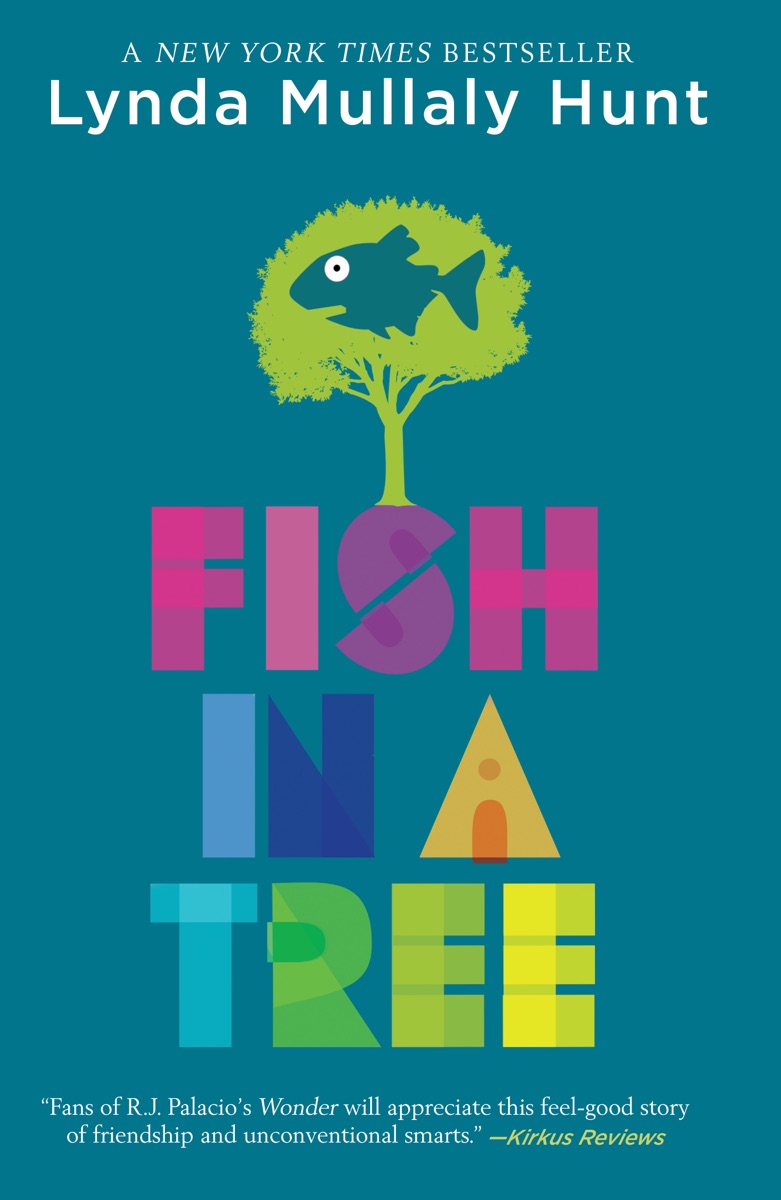
Fish in a Tree
by Lynda Mullaly Hunt
A sixth grader discovers that struggling with reading doesn't mean she's broken — it means her brain works differently.
The story
Ally Nickerson has gotten good at hiding. Every time she starts at a new school, she finds ways to avoid reading and writing by acting out or cracking jokes. But when a perceptive new teacher arrives and two unexpected friendships form, Ally begins to discover that the thing she's been hiding might actually be a strength she hasn't recognized yet.
Age verdict
Best for ages 9-12. Emotional content is age-appropriate but deals honestly with shame, bullying, and learning struggles. Sensitive younger readers may need support processing the bullying scenes.
Our take
Teach-first book: strongest as a classroom empathy tool and parent conversation starter, with solid but quieter kid appeal driven by voice and emotional resonance rather than action or humor.
What stands out
Each audience's top 3 dimensions. Out of 30 scored per book.
Kids love
- Character voice Strong
Comparable to City Spies — five kids with distinct speech patterns (Sara's sarcasm, Sydney's directness) parallel Ally's punchy-then-expansion voice, Albert's formality, Keisha's directness, Mr. Daniels' warmth. Each character passes the Swap Test; dialogue tags are unnecessary. Sits at anchor.
- Heart-punch Strong
23 chapters of accumulated shame (Ch. 23 breakdown), immediate Keisha confrontation + support (Ch. 24), integration. Sits at anchor.
Parents love
- Emotional sophistication Exceptional
Tier 3, comparable to The Remarkable Journey of Coyote Sunrise — models emotional complexity at unusual level for middle grade. Ally experiences shame, defensiveness, anger, loyalty, and tentative hope *simultaneously*. Keisha's confrontation is angry *and* loving; caring doesn't mean agreeing. Characters hold contradictory emotions without resolution. Sits below Coyote (9 vs. 10) because Ally is the anchor perspective; Coyote uses multiple POVs for simultaneous-emotion complexity.
- Real-world window Exceptional
Tier 3, comparable to Blended — entire book IS a real-world window into dyslexia + school dynamics + bullying + single-parent economics + how systems fail neurodivergent kids. Clinical accuracy wrapped in emotional truth without sentimentality. Scope identical to Blended's entire-book window. Sits at 9 (vs. Blended's 10) because focus is learning-difference-specific; Blended handles broader custody/family identity complexity.
Teachers love
- Empathy & self-awareness Exceptional
Comparable to Breakout — perspective-shifting at defining level. The coded message activity where each letter stands for another approximates dyslexic reading, giving non-dyslexic students *experiential* empathy. After reading, students understand what it feels like to struggle with reading, hide a difference, be mislabeled as troublemaker. Sits at 10 because activity creates experiential rather than merely perspective-taking empathy.
- Discussion fuel Exceptional
Should Ally have hit the bully or walked away? Is her shame her fault or system failure? Is Albert brave or foolish? When does help become weakness? These questions have no clean answers; students bring own experiences to conclusions. Sits at 9 (vs. Breakout's 10) because Ally-focused rather than three-perspective forcing disagreement.
✓ Perfect for
- • Kids who feel different or struggle in school
- • Readers who connect with strong first-person voices
- • Families wanting to discuss learning differences and self-worth
- • Classroom read-alouds focused on empathy and acceptance
Not ideal for
Readers looking for fast-paced adventure, fantasy elements, or action-driven plots — this is a quiet, character-driven story about internal growth.
⚠ Heads up
At a glance
- Pages
- 288
- Chapters
- 51
- Words
- 65k
- Lexile
- 550L
- Difficulty
- Easy
- POV
- First Person
- Illustration
- None
- Published
- 2015
- Publisher
- CreateSpace Independent Publishing Platform
- ISBN
- 9781545489055
Mood & style
You'll know it worked when…
Most readers finish in 2-4 sittings. The voice and emotional investment keep pages turning despite the internal rather than external plot.
If your kid loved "Fish in a Tree"
Matched across 30 dimensions — interest hooks, character appeal, tone, pacing, emotional core. Not by what other people bought. By what fits the same reader profile.
Insignificant Events in the Life of a Cactus
by Dusti Bowling
Same genre (realistic fiction). Both hopeful in tone
The Miscalculations of Lightning Girl
by Stacy McAnulty
Same genre (realistic fiction). Both hopeful in tone
Class Act
by Jerry Craft
Same genre (realistic fiction). Both hopeful in tone
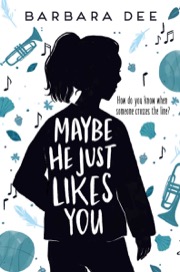
Maybe He Just Likes You
by Barbara Dee
Same genre (realistic fiction). Both hopeful in tone

Darth Paper Strikes Back
by Tom Angleberger
Same genre (realistic fiction). Same emotional weight (moderate)
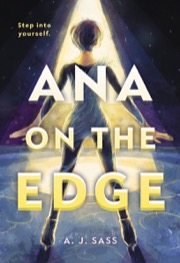
Ana on the Edge
by A. J. Sass
Same genre (realistic fiction). Both hopeful in tone
Featured in our guides
- Best Of
Best Books About Friendship for Kids
Curated picks scored across 30 dimensions by kids, parents, and teachers. Data-backed recommendations for your child's next great read. Trusted picks.
- Best Of
Best Books for 8-Year-Olds
Data-scored book picks for 8-year-olds rated across 30 dimensions by kids, parents, and teachers. Find your child's next favorite read. Trusted picks.
Want more picks like this?
Get 5 hand-picked book reviews for your child's age — one email a month.