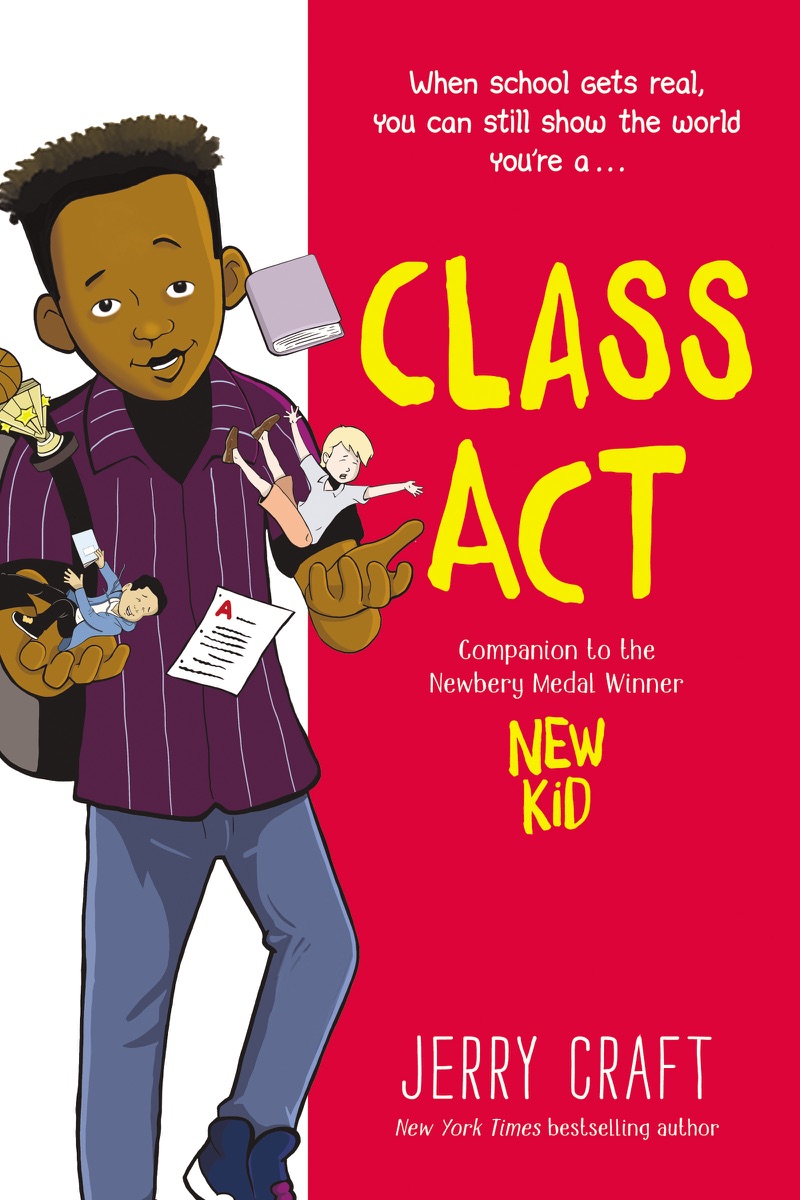
Class Act
by Jerry Craft · New Kid #2
A graphic novel about what it costs to be yourself in spaces that weren't designed for you
The story
Eighth-grader Drew Ellis navigates the elite Riverdale Academy Day School while figuring out who he really is across the different worlds he inhabits—his working-class neighborhood, his prestigious school, and the spaces where his friends from both worlds collide. Through humor, honest observation, and a friend group that crosses class lines, the book explores what happens when the person you're expected to be and the person you actually are can't quite fit in the same room.
Age verdict
Best for ages 10-13. Younger readers will enjoy the humor and friendship but may miss the institutional critique; older teens may find the content familiar. The graphic novel format makes it accessible across reading levels.
Our take
This is a book that teachers will champion for its classroom value and parents will appreciate for its growth potential, while kids will find it engaging and eye-opening without it being their favorite fun read—a meaningful experience rather than a page-turner thrill.
What stands out
Each audience's top 3 dimensions. Out of 30 scored per book.
Kids love
- First-chapter grab Strong
Comparable to All the Broken Pieces — Drew and Jordan's dual monologue establishes emotional stakes and character voice simultaneously; graphic format provides immediate visual engagement that prose cannot match. Sits above because multi-modal emotional engagement plus visual grab vs. isolated verse intensity. Graphic format = net positive for engagement.
- Heart-punch Strong
Comparable to Earthquake in the Early Morning — Class Act's contradictions monologue builds pathos from entire book's accumulated emotional weight; warmth and frustration layer together until community center scenes release earned relief. Sits at because both achieve multi-layered emotional architecture: monologue-as-climax vs. chapter-distributed peaks deliver equal impact.
Parents love
- Stereotype-breaker Exceptional
Black characters shown with varied economic backgrounds and emotional ranges; gender-fluid character treated with full dignity (not teaching moment); wealthy white character portrayed as genuinely well-meaning rather than villainous; no character reduced to single identity axis. Sits at because both achieve equal mastery of simultaneous multi-vector stereotype breaking.
- Real-world window Exceptional
Comparable to Blended — Class Act is wide, unflinching window into contemporary American institutional racism, class inequality, and psychological burden of navigating elite spaces as person of color. Microaggressions, wealth disparities, access gaps depicted as lived reality rather than abstract issues. Sits at because both offer all-encompassing real-world windows equally; institutional racism (Class Act) vs. custody/racial identity (Blended) equal scope.
Teachers love
- Discussion fuel Exceptional
Should Drew stay? Is Liam's allyship sufficient? Can institutions change? Sits at because rich, authentic discussion fuel; perhaps marginally below Breakout's scope (multiple life-domain themes vs. institution-focused lens).
- Empathy & self-awareness Exceptional
Comparable to Linked — Code-switching monologue makes the inner experience of identity performance visible to readers who may never have felt it; Andy's storyline develops empathy for marked bodies; Liam's consciousness-raising models growth without guilt, showing empathy as action. Sits at because powerful empathy building; Linked's structured multi-POV design vs. Class Act's single-POV empathy transmission equally effective.
✓ Perfect for
- • Readers who liked New Kid and want to go deeper into the world
- • Kids navigating different social environments and feeling the pressure to perform different versions of themselves
- • Families looking for conversation starters about race, class, and authenticity
- • Reluctant readers who need an accessible format with substantive content
Not ideal for
Readers seeking fast-paced adventure plots or fantasy escapism; the book's strengths are observational and reflective rather than action-driven, and its deliberate middle pacing may frustrate readers who want constant forward motion.
⚠ Heads up
At a glance
- Pages
- 249
- Chapters
- 12
- Words
- 25k
- Lexile
- 340L
- Difficulty
- Easy
- POV
- First Person
- Illustration
- Fully Illustrated
- Published
- 2020
- Publisher
- Harper Collins Publishers
- Illustrator
- Jerry Craft
- ISBN
- 9780063032064
Mood & style
You'll know it worked when…
Most readers will finish this in 1-2 sittings. The graphic novel format and accessible pacing make it a low-barrier read even for kids who don't typically finish books.
If your kid loved "Class Act"
Matched across 30 dimensions — interest hooks, character appeal, tone, pacing, emotional core. Not by what other people bought. By what fits the same reader profile.
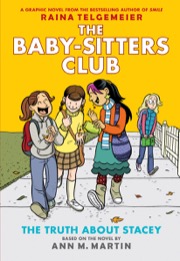
The Truth About Stacey
by Ann M. Martin
Same genre (realistic fiction). Both hopeful in tone

Be Prepared
by Vera Brosgol
Same genre (realistic fiction). Same pacing (measured)

The Cardboard Kingdom
by Chad Sell
Same genre (realistic fiction). Both hopeful in tone
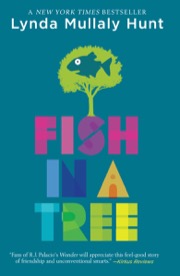
Fish in a Tree
by Lynda Mullaly Hunt
Same genre (realistic fiction). Both hopeful in tone
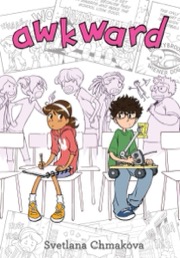
Awkward
by Svetlana Chmakova
Same genre (realistic fiction). Same pacing (measured)
Linked
by Gordon Korman
Same genre (realistic fiction). Both hopeful in tone
Want more picks like this?
Get 5 hand-picked book reviews for your child's age — one email a month.