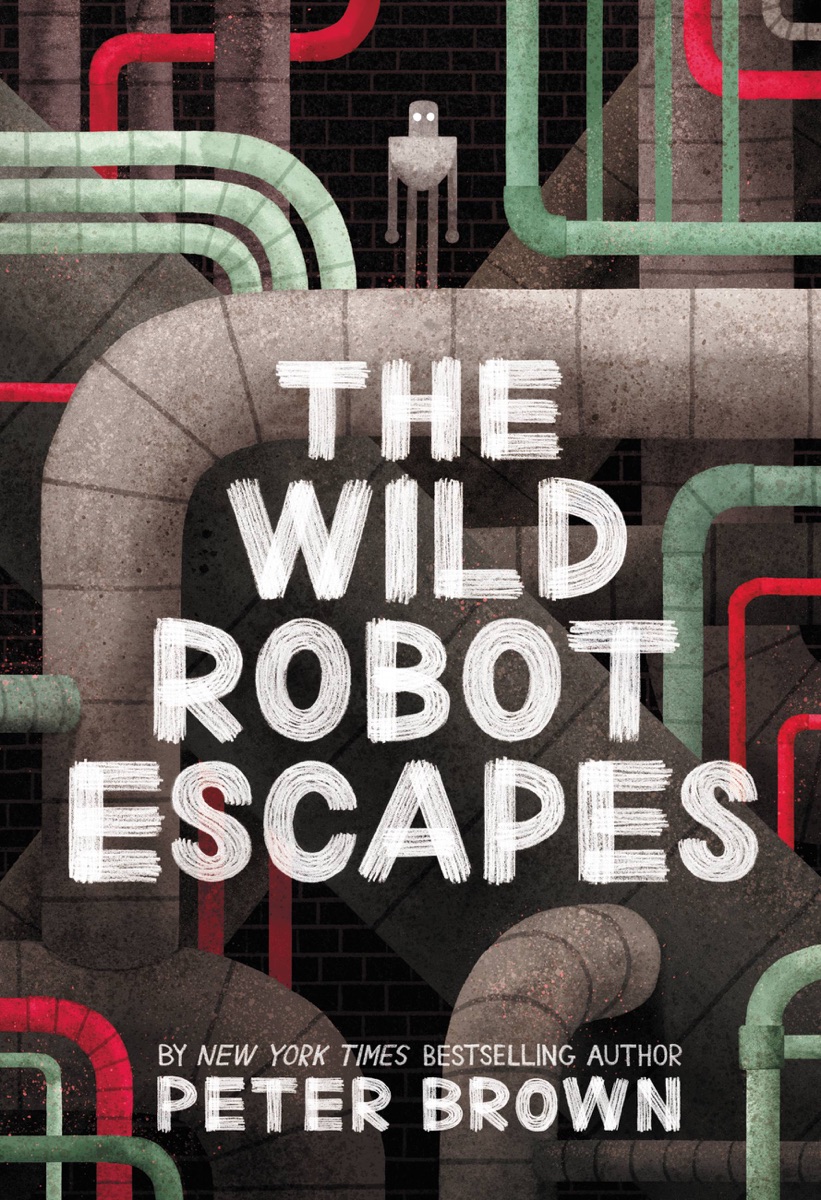
The Wild Robot Escapes
by Peter Brown · The Wild Robot #2
A robot's heartfelt journey home proves that belonging is built through love, not programming
The story
Robot Roz has been shipped far from the wild island where she found family. Now working on a dairy farm, she befriends the farmer's children and the animals — but she longs for her goose son waiting on a distant shore. When an opportunity to escape finally comes, Roz faces an extraordinary cross-country journey through mountains, cities, and open sea.
Age verdict
Best for ages 7-10; the short chapters and accessible prose welcome younger readers, while the themes of freedom and belonging give older readers plenty to think about.
Our take
A quiet powerhouse for parents and teachers — emotionally rich and discussion-ready, but its contemplative pace means kids respect it more than they rave about it
What stands out
Each audience's top 3 dimensions. Out of 30 scored per book.
Kids love
- Heart-punch Exceptional
Comparable to Tristan Strong Punches a Hole in the Sky — Both use emotional architecture as the story's engine. Roz's homesickness persists across 18 months of narrative, accumulating the same devastating emotional weight that Tristan Strong achieves through grief. Sits at peak level because the emotional payoff is genuinely earned.
- Ending satisfaction Strong
Comparable to Fantastic Mr Fox — Roz's resolution is earned and emotionally satisfying (8), but it doesn't quite reach the double-payoff triumph of Fox's 'feast after struggle.' The open thread for Book 3 slightly softens the finality. Sits below because the landing honors emotion over adventure victory.
Parents love
- Moral reasoning Exceptional
Comparable to Artemis Fowl — Both present moral complexity without easy answers. Roz's freedom vs. gratitude paradox matches Artemis's criminal morality questions in depth. The narrative respects reader autonomy to wrestle with conflicting values. Sits at the same level because both demand genuine moral reasoning from young readers.
- Parent-child conversation starter Exceptional
Comparable to Blended — Both generate genuine family conversations about identity and belonging. Roz's questions about sentience, freedom, and choice match Blended's exploration of identity and family in depth. Sits at the same level because both create natural, meaningful bridges from story to lived family experience.
Teachers love
- Read-aloud power Exceptional
Comparable to Interrupting Chicken — Both have chapter breaks that function as read-aloud pause points. Wild Robot 2's 90 chapters of 500 words create excellent class periods. Narrator is warm and performable. Sits below at 9 because Interrupting Chicken's performance-through-dialogue design is more explicitly built for oral delivery; Brown's work requires slightly more reader inference.
- Discussion fuel Exceptional
Comparable to Breakout — Both generate genuine, age-appropriate disagreement. Roz's questions about autonomy and obligation mirror Nora's freedom vs. family duty. Sits below at 9 because while the discussion richness is exceptional, Breakout's legal-freedom question generates slightly more visceral debate across grade levels.
✓ Perfect for
- • Readers who connected with Roz in The Wild Robot will be captivated by this continuation. Ideal for thoughtful 7-10 year olds who enjoy stories that blend gentle adventure with genuine emotional depth.
Not ideal for
Readers seeking fast-paced action or laugh-out-loud humor from start to finish — this is a contemplative journey that earns its emotional payoffs slowly.
⚠ Heads up
At a glance
- Pages
- 279
- Chapters
- 90
- Words
- 43k
- Lexile
- 720L
- Difficulty
- Moderate
- POV
- Third Person Omniscient
- Illustration
- Moderate
- Published
- 2018
- Publisher
- Little, Brown and Company
- ISBN
- 9780316382045
Mood & style
You'll know it worked when…
Very likely to finish — the short chapters create a satisfying read-one-more rhythm, and the journey structure builds toward a reunion that readers will be eager to reach.
If your kid loved "The Wild Robot Escapes"
Matched across 30 dimensions — interest hooks, character appeal, tone, pacing, emotional core. Not by what other people bought. By what fits the same reader profile.
The Undead Fox of Deadwood Forest
by Aubrey Hartman
Both bittersweet in tone. Same pacing (slow burn to explosive)
Maniac Magee
by Jerry Spinelli
Both bittersweet in tone. Same emotional weight (heavy)
Nowhere Boy
by Katherine Marsh
Same pacing (slow burn to explosive). Same emotional weight (heavy)
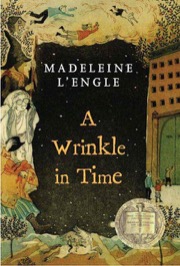
A Wrinkle in Time
by Madeleine L'Engle
Same genre (sci fi). Same pacing (slow burn to explosive)
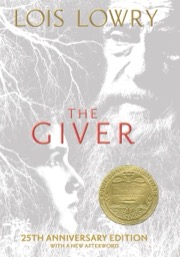
The Giver
by Lois Lowry
Same genre (sci fi). Same pacing (slow burn to explosive)

Endling: The Last
by Katherine Applegate
Both bittersweet in tone. Same emotional weight (heavy)
Want more picks like this?
Get 5 hand-picked book reviews for your child's age — one email a month.