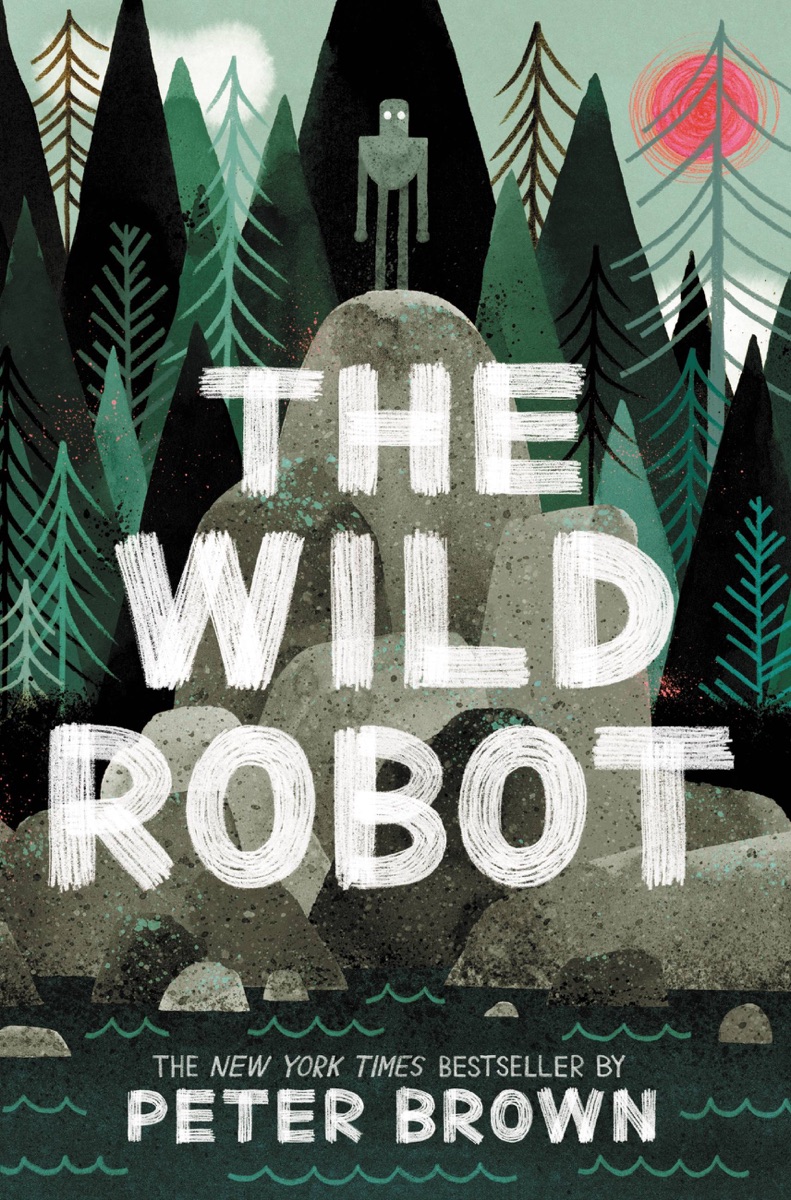
The Wild Robot
by Peter Brown · The Wild Robot #1
The robot who learned to be a mother
The story
When a cargo ship sinks in a storm, a robot named Roz washes ashore on a wild island where no machines belong. Surrounded by animals who fear her, Roz must learn to survive—and when she accidentally hatches a gosling named Brightbill, she discovers something her programming never prepared her for: becoming a mother.
Age verdict
Best for ages 9-12; the emotional complexity rewards this range most, though strong 8-year-old readers will connect deeply
Our take
A deeply literary book that teachers and parents prize far more than its kid-engagement scores suggest. The emotional sophistication and classroom utility are exceptional; the gaps in humor and unpredictability reflect a quiet, contemplative novel rather than an exciting page-turner. Best approached as a heart book, not an adventure book.
What stands out
Each audience's top 3 dimensions. Out of 30 scored per book.
Kids love
- Heart-punch Exceptional
grief on every page, devastating emotional engine. Wild Robot: Brightbill farewell and Roz sacrifice are single-book standalone gut-punches, no series dependency.. Sits at because Both earn a 10 through different pathways. Roz's farewell is devastating standalone; grief is not constant but the peak moment is extraordinary. Comparable to Tristan's grief architecture.
- First-chapter grab Strong
Comparable to Lunch Lady and the Cyborg Substitute — Both open with immediate action and mystery in grounded settings. Roz washes ashore with unknown purpose; cafeteria opens with familiar stakes. Both hook through action-in-media-res.. Sits at because Roz's opening is more mysterious (robot consciousness) than Lunch Lady's (gadget mystery), but both achieve immediate engagement. Comparable grip.
Parents love
- Emotional sophistication Exceptional
emotional complexity at unusual level for middle grade. Robot: arc from logical processing to maternal grief to acceptance is handled with extraordinary delicacy.. Sits at because Both trust children to feel complex, unresolved emotions. Robot's emotional sophistication (Roz's transformation) is defining achievement. Comparable to Coyote.
- Creative spark Exceptional
early scenes gain dramatic irony on re-read. Robot: first read delivers emotional impact; subsequent reads reveal foreshadowing, craft in Roz's voice evolution.. Sits at because Both improve with re-reading through structural foreshadowing. Comparable re-read durability.
Teachers love
- Read-aloud power Exceptional
built explicitly for performance, two-voice read-aloud. Robot: prose built for read-aloud, 80 short chapters with natural stopping points, spare sentences land powerfully.. Sits at because Brown's prose reads aloud beautifully. Short chapters provide natural breaks. Emotional beats land cleanly. Teachers cite this as strongest read-aloud. Comparable to Interrupting Chicken.
- Mentor text quality Exceptional
opening chapters masterclass in voice/world/mystery. Robot: 80-chapter structure, voice evolution, emotional economy, animal POV, prose-poetry passage = multiple craft lessons.. Sits above because Robot offers more diverse mentor-text material. Opening chapter depth comparable to Grimm; additional craft lessons (chapter architecture, voice evolution) elevate it.
✓ Perfect for
- • kids who loved the Wild Robot movie and want the original story; nature and animal lovers who like emotional depth; readers who want a beautiful cry; thoughtful kids who like big questions in a quiet adventure
Not ideal for
Kids who need humor or fast-paced action to stay engaged; this is a quiet, emotionally driven novel rather than an adventure story
⚠ Heads up
At a glance
- Pages
- 282
- Chapters
- 80
- Words
- 37k
- Lexile
- 740L
- Difficulty
- Moderate
- POV
- Third Person Omniscient
- Illustration
- Moderate
- Published
- 2016
- Publisher
- Little Brown
- Illustrator
- Peter Brown
- ISBN
- 9780316381994
Mood & style
You'll know it worked when…
You'll need a moment after the farewell scene—and then you'll want to read it again from the beginning
If your kid loved "The Wild Robot"
Matched across 30 dimensions — interest hooks, character appeal, tone, pacing, emotional core. Not by what other people bought. By what fits the same reader profile.

The Cay
by Theodore Taylor
adventure as secondary genre. Both bittersweet in tone
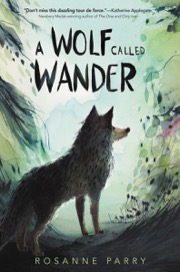
A Wolf Called Wander
by Rosanne Parry
adventure as secondary genre. Both bittersweet in tone
Maniac Magee
by Jerry Spinelli
adventure as secondary genre. Both bittersweet in tone
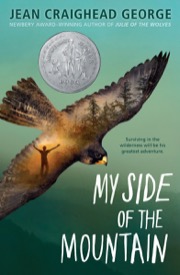
My Side of the Mountain
by Jean Craighead George
Same genre (adventure). Same pacing (measured)

The Peppermint Pig
by Nina Bawden
Both bittersweet in tone. Same pacing (measured)
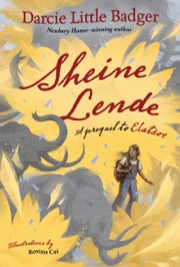
Sheine Lende
by Darcie Little Badger
adventure as secondary genre. Both bittersweet in tone
Featured in our guides
- Best Of
Best Books for 7-Year-Olds
Best books for 7-year-olds: Data-scored recommendations covering 30 dimensions of reading experience. Discover which series and standalone titles resonate most.
- Best Of
Best Books for Kids Who Love Animals
Curated picks scored across 30 dimensions by kids, parents, and teachers. Data-backed recommendations for your child's next great read. Trusted picks.
- Best Of
Best Fantasy Books for Kids: Gateway to Wonder and Imagin...
Curated picks scored across 30 dimensions by kids, parents, and teachers. Data-backed recommendations for your child's next great read. Trusted picks.
Want more picks like this?
Get 5 hand-picked book reviews for your child's age — one email a month.