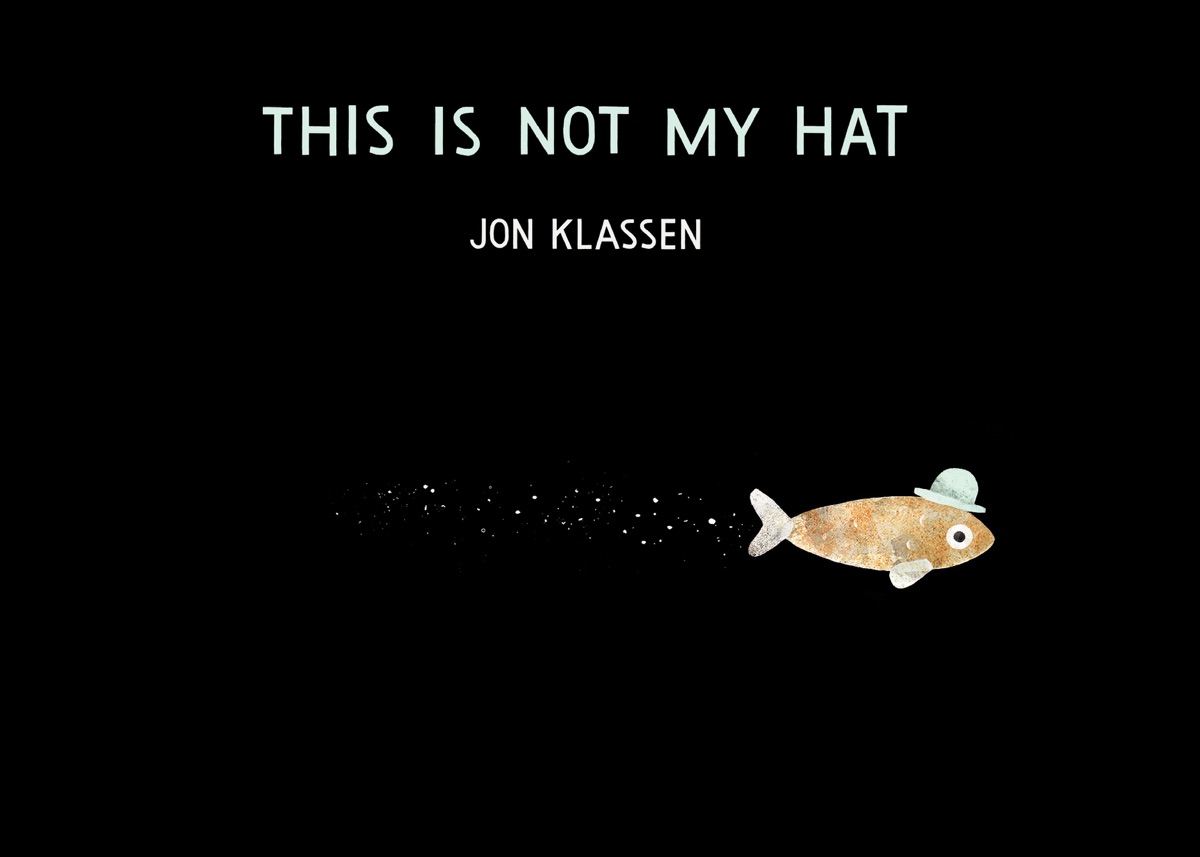
This Is Not My Hat
by Jon Klassen · The Hat Trilogy #2
A Caldecott Medal-winning picture book where a small fish's confident narration is quietly contradicted by the illustrations — dark, funny, and unforgettable
The story
A little fish has stolen a hat from a much bigger fish and swims away, narrating his confident escape plan. But the illustrations tell a different story — one the little fish can't see. This darkly humorous picture book uses the gap between words and pictures to create a reading experience that rewards close attention and sparks conversations about honesty, consequences, and the stories we tell ourselves.
Age verdict
Best for ages 4-7, but the craft and moral complexity reward reading through age 10 and beyond. Adults find it as compelling as children do.
Our take
A Caldecott Medal-winning picture book that teachers and parents value most for its sophisticated craft and discussion potential, while kids enjoy its dark humor and visual storytelling. The teacher scorecard leads because the book is an exceptional teaching tool across multiple disciplines.
What stands out
Each audience's top 3 dimensions. Out of 30 scored per book.
Kids love
- Mental movie Exceptional
The Sand Warrior — As a fully illustrated picture book with Caldecott Medal-winning artwork, every spread is a complete visual scene. The dark underwater world rendered in textured collage—muted browns, blacks, and olive greens—creates atmospheric immersion that lingers. The big fish's eye alone carries more visual storytelling than many chapter books achieve in pages of prose. Sits directly at anchor books: Caldecott-level visual mastery equals graphic novel sophistication.
- First-chapter grab Strong
Comparable to Artemis Fowl , triangulated with A Court of Mist and Fury — The opening confession "This hat is not mine. I just stole it" creates transgressive honesty that hooks instantly, creating reader complicity within seconds. Sits below Artemis because it lacks the world-building scope of criminal-empire operations, but the confessional directness is equally distinctive and pulls young readers in with zero friction.
Parents love
- Writing quality Exceptional
Comparable to Illuminae , triangulated with Charlotte's Web — Caldecott Medal-winning craft that achieves literary sophistication through radical economy—every one of those 225 words earns its place. The anaphoric "And even if..." structure creates rhythmic prose that rewards re-reading, and the text-image contradiction technique is a masterclass in visual storytelling. The deliberate removal of narration for the final sequence demonstrates authorial control comparable to the best literary picture books. Sits directly at Illuminae because the sentence-level mastery is genuine masterwork caliber.
- Reading gateway Exceptional
stunning Caldecott-winning illustrations on every spread, minimal text that eliminates reading stamina barriers, dark humor that feels thrilling rather than intimidating, and a concept so compelling that even reluctant young readers will want to see what happens. The prestigious award status gives parents and librarians confidence to recommend it. Sits directly at Lunch Lady because Caldecott prestige + visual appeal + subversive humor create the definitive gateway profile.
Teachers love
- Read-aloud power Strong
Comparable to A Tale Dark and Grimm , triangulated with Charlotte's Web — The anaphoric "And even if..." structure creates a rhythmic, performable read-aloud with natural dramatic pauses. The format uniquely supports interactive reading—the teacher reads the confident text while showing students the contradicting illustrations, creating shared discovery of dramatic irony. Students lean forward as the gap between words and pictures widens. Sits directly at anchor because the read-aloud experience is equally masterful.
- Mentor text quality Strong
Comparable to Charlotte's Web — Exemplary for teaching dramatic irony, show-don't-tell (the illustrations show what the text won't tell), economy of language (maximum impact from minimum words), and anaphoric sentence structure. A writing teacher can build four distinct craft lessons from this single 225-word book. The text-image contradiction technique is directly teachable. Sits directly at anchor because the mentor-text value is equally profound.
✓ Perfect for
- • Kids who love dark humor and surprising endings
- • Parents looking for a picture book that sparks meaningful conversations about right and wrong
- • Teachers seeking a mentor text for dramatic irony and visual literacy
- • Reluctant readers who resist longer books but respond to stunning art and subversive storytelling
Not ideal for
Very sensitive young children who may be upset by the strongly implied (but never shown) dark ending, or families who prefer picture books with clearly happy resolutions.
⚠ Heads up
At a glance
- Pages
- 40
- Words
- 0k
- Lexile
- AD340L
- Difficulty
- Easy
- POV
- First Person
- Illustration
- Fully Illustrated
- Published
- 2012
- Publisher
- Candlewick Press
- Illustrator
- Jon Klassen
- ISBN
- 9780763655990
Mood & style
You'll know it worked when…
Single-sitting picture book (5-10 minutes).
If your kid loved "This Is Not My Hat"
Matched across 30 dimensions — interest hooks, character appeal, tone, pacing, emotional core. Not by what other people bought. By what fits the same reader profile.
Fantastic Mr Fox
by Roald Dahl
Same genre (animal fiction). Same pacing (steady clip)

Doctor De Soto
by William Steig
Same genre (animal fiction). Same pacing (steady clip)
Bedtime for Frances
by Russell Hoban
Same genre (animal fiction). Both lean into creepy spooky
Llama Llama Red Pajama
by Anna Dewdney
Same genre (animal fiction). Same pacing (steady clip)
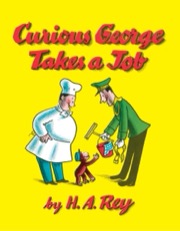
Curious George Takes a Job
by H.A. Rey
Same genre (animal fiction). Same pacing (steady clip)

Dave Pigeon: How to Deal with Bad Cats and Keep (Most of) Your Feathers
by Swapna Haddow
animal fiction as secondary genre. Both lean into treasure heist + diary confessional
Want more picks like this?
Get 5 hand-picked book reviews for your child's age — one email a month.