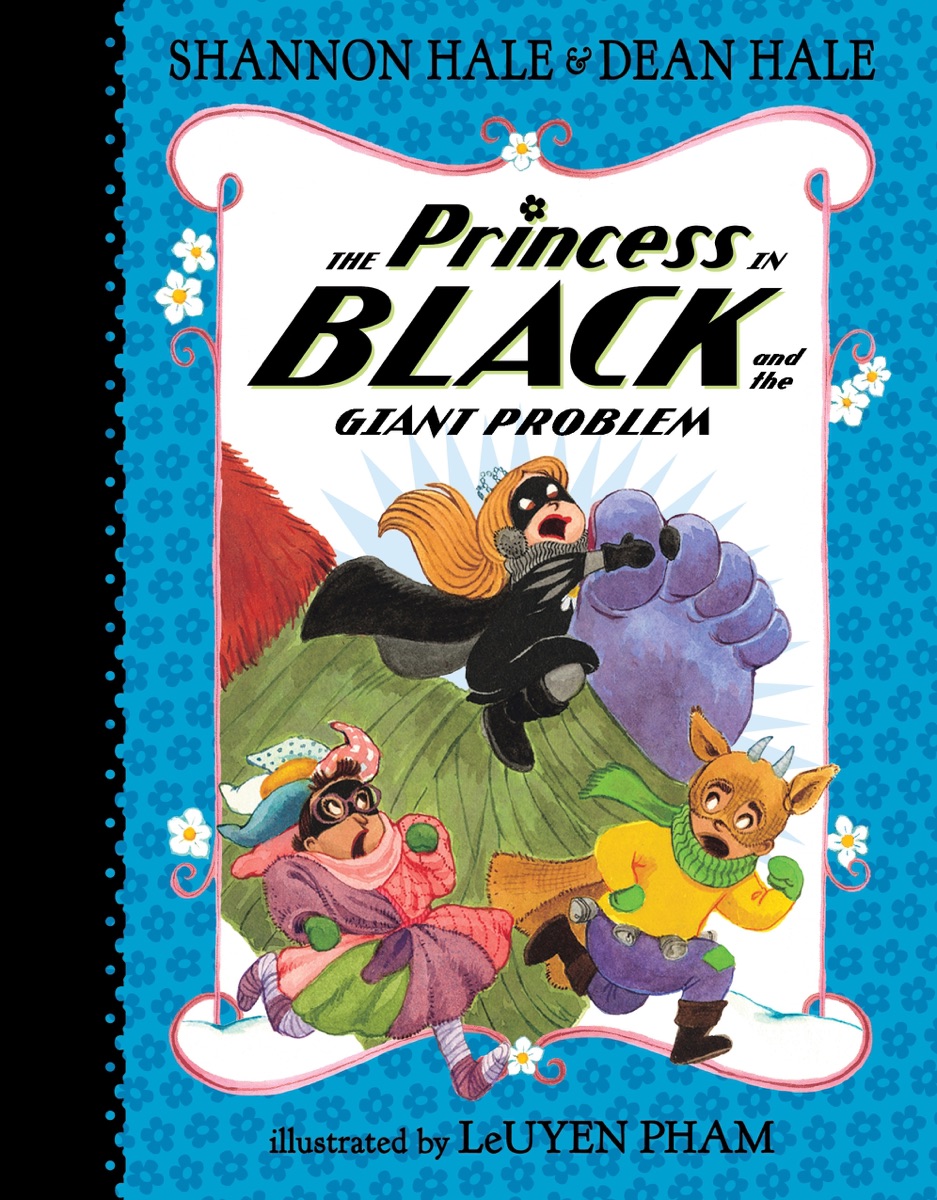
The Princess in Black and the Giant Problem
by Shannon Hale and Dean Hale · The Princess in Black #7
Princess superheroes team up to outsmart a giant with creativity, not combat
The story
When a Sparkle Signal interrupts Princess Magnolia's cozy playdate, she and her fellow princess heroes must venture to Monster Land to stop a giant threatening the kingdom. Working together, the team devises an unexpected and hilariously clever solution that proves brains and teamwork beat brute force every time.
Age verdict
Best enjoyed by ages 5-7 as an independent read, with read-aloud appeal for ages 4-5; the series formula and simple vocabulary make it too easy for most readers over 8.
Our take
A fun-first early reader adventure that kids enjoy much more than parents or teachers value for growth
What stands out
Each audience's top 3 dimensions. Out of 30 scored per book.
Kids love
- Mental movie Strong
Comparable to Lunch Lady and the Cyborg Substitute — LeUyen Pham full-color illustrations on every spread create vivid visual experience. Art carries action choreography, character emotion, spatial relationships. Text intentionally sparse, illustrations carry sensory richness. Co-narrative text/art system sits at anchor.
- First-chapter grab Strong
Comparable to All the Broken Pieces — Opens with domestic comfort + immediate signal activation creating urgency without melodrama. Snowy kitchen + Sparkle Signal establishes voice first, stakes second. Sits at anchor because both use emotion + mystery to hook early readers.
Parents love
- Stereotype-breaker Strong
these princesses fight, lead, strategize, solve through intelligence not rescue-waiting. Normalizes female leadership and collaborative problem-solving. Narrative subversion of expected archetype sits at anchor.
- Reading gateway Strong
Babymouse Goes for the Gold — Full-color illustrations every page, short accessible chapters, familiar series characters, engaging adventure. Excellent bridge from picture books to independent chapter reading. Directly comparable in format and transition support. Sits at anchor.
Teachers love
- Reluctant reader rescue Strong
Babymouse Goes for the Gold — Full illustrations, short chapters, accessible vocabulary, action-adventure format remove nearly every barrier for reluctant readers. Princess-hero concept adds coolness factor (picking up feels exciting not like homework). Sits at anchor.
- Read-aloud power Strong
Comparable to Earthquake in the Early Morning — Distinct character voices highly performable for K-2 classroom. Short chapters fit read-aloud slots. Illustrations shareable with group. Sits at anchor due to comparable voice distinction and chapter length.
✓ Perfect for
- • Early readers (ages 5-7) who love princess stories with action and humor
- • and kids transitioning from picture books to chapter books who need full illustration support and short chapters to build reading confidence.
Not ideal for
Readers over age 8 who want complex plots, longer narratives, or stories without illustrations, as the simple structure and fully illustrated format may feel too young.
At a glance
- Pages
- 96
- Chapters
- 10
- Words
- 3k
- Lexile
- 560L
- Difficulty
- Easy
- POV
- Third Person Omniscient
- Illustration
- Fully Illustrated
- Published
- 2020
- Publisher
- Candlewick Press
- Illustrator
- LeUyen Pham
- ISBN
- 9781536202229
Mood & style
You'll know it worked when…
A young reader will finish this in one sitting — the short chapters, constant illustrations, and fast-moving adventure remove every barrier to reaching the satisfying conclusion.
If your kid loved this
Matched across 30 dimensions — interest hooks, character appeal, tone, pacing, emotional core. Not by what other people bought. By what fits the same reader profile.
The Princess in Black Takes a Vacation
by Shannon Hale & Dean Hale
Same genre (fantasy). Same emotional weight (light)
The Princess in Black and the Hungry Bunny Horde
by Shannon Hale
Same genre (fantasy). Both playful in tone
Waking the Rainbow Dragon
by Tracey West
Same genre (fantasy). Same pacing (steady clip)

Amber the Orange Fairy
by Daisy Meadows
Same genre (fantasy). Same pacing (steady clip)

Supertato
by Sue Hendra and Paul Linnet
fantasy as secondary genre. Same emotional weight (light)
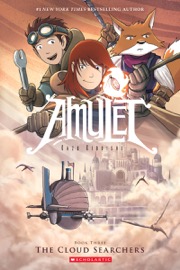
The Cloud Searchers
by Kazu Kibuishi
Same genre (fantasy). Same tension source (physical danger)
Want more picks like this?
Get 5 hand-picked book reviews for your child's age — one email a month.