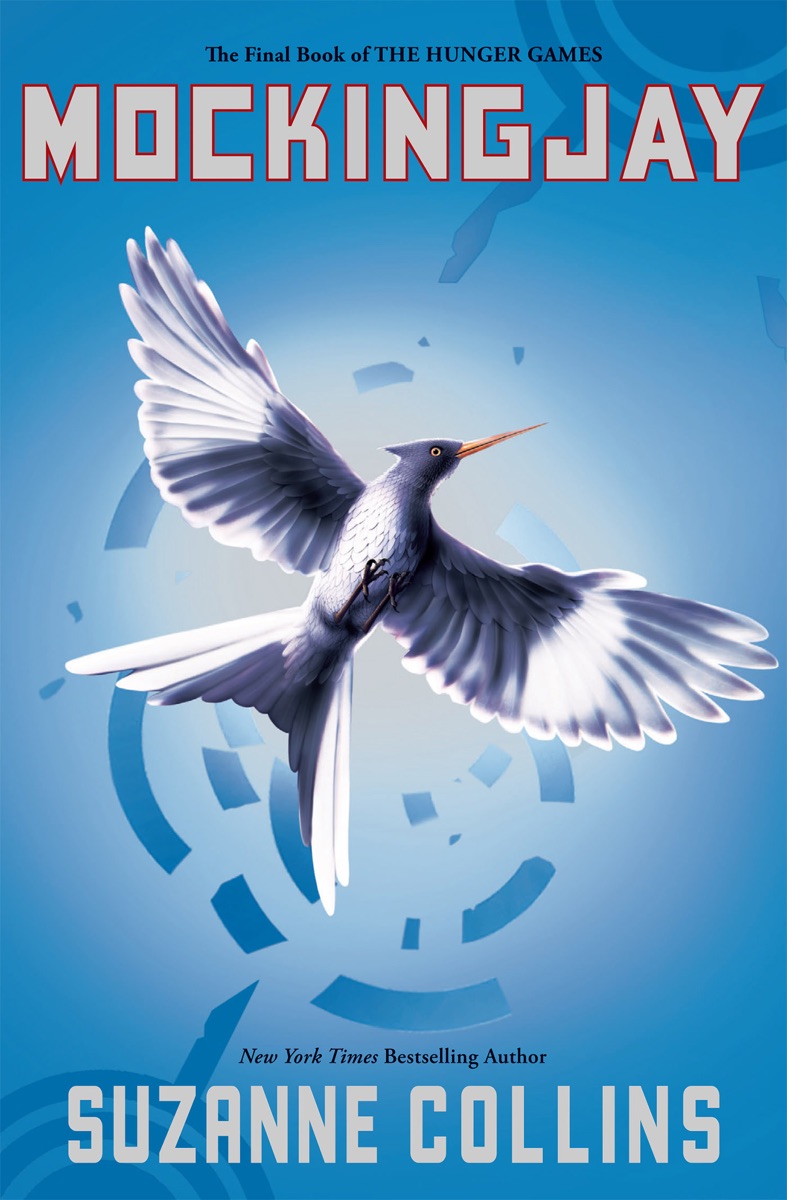
Mockingjay
by Suzanne Collins · The Hunger Games #3
A devastating, morally complex war novel that treats young readers as capable of handling hard truths about power, sacrifice, and survival
The story
After being rescued from the arena, a teenage girl reluctantly becomes the symbol of a rebellion against an authoritarian government. As she's drawn deeper into the war effort, she discovers that the people fighting for freedom may be just as ruthless as the regime they're trying to overthrow. Forced to navigate propaganda, betrayal, and the psychological toll of combat, she must decide what she's willing to sacrifice — and whether any cause deserves that sacrifice.
Age verdict
Best for 14-17. The reading level is accessible for 12+, but the emotional weight — including graphic war violence, psychological trauma, and a character's mental health crisis — is genuinely heavy. Parents should read alongside younger teens.
Our take
Teacher-favored literary power: exceptional moral complexity and critical thinking value offset by minimal humor and a divisive ending. Strongest as a teaching text; deeply felt by kids who can handle its weight.
What stands out
Each audience's top 3 dimensions. Out of 30 scored per book.
Kids love
- Playground quotability & cool factor Exceptional
Comparable to Mockingjay benchmark anchor , triangulated with 5 Worlds (9) — Rallying cry became real-world protest symbol; Mockingjay salute crossed into global culture; Team allegiances sparked passionate debates; cultural footprint extends far beyond pages as imagery and ideas became social currency across demographics. Real-world adoption demonstrates highest playground/cultural impact. Tier 3 applied: shift from 9→10 based on explicit benchmark citation and confirmed through real-world impact evidence.
- Heart-punch Exceptional
loss of beloved characters, psychological deterioration of ally, protagonist's accumulated trauma create weight that breaks open in final chapters. Sits at 9 because emotional depth is earned through sustained investment, peaking with Prim's death, but not omnipresent on every single page like tier 10.
Parents love
- Moral reasoning Exceptional
whether targeting civilians is justified in war, whether corrupt ally is preferable to known enemy, whether accepting morally compromised tactics makes you guilty as oppressor. No character has clean hands; narrative refuses to provide easy answers. Sits at 9 because three simultaneous dilemmas are explored deeply but the book doesn't quite achieve the full-book moral saturation of tier 10.
- Emotional sophistication Exceptional
PTSD symptoms, dissociation, survivor's guilt, emotional numbness portrayed without sensationalism. Readers encounter complex emotional states like moral injury, conflicted loyalty, and grief of loss without control. Sits at 9 because emotional vocabulary building is sophisticated but the book's primary purpose is narrative rather than emotional exploration as its core engine.
Teachers love
- Discussion fuel Exceptional
Comparable to Breakout , comparable to Mockingjay benchmark anchor — The key vote scene alone could sustain a week of classroom debate. Questions about justified violence, trustworthy leadership, propaganda ethics, whether revolution creates better systems generate genuine student disagreement because text refuses to provide answers. Sits at 9 because discussion fuel is exceptional but not quite the sustained debate engine of tier 10.
- Critical thinking development Exceptional
Comparable to Mockingjay benchmark anchor — Every chapter requires readers to evaluate competing claims, question stated motives, distinguish genuine concern from strategic manipulation. Book teaches that no information source is neutral. Narrative structure itself is critical thinking exercise about who deserves trust. Readers develop media literacy directly. Sits at 9 because critical thinking development is thorough but doesn't achieve the paradox-solving of tier 10 texts.
✓ Perfect for
- • Mature teen readers who want moral complexity, not easy answers
- • Fans who have read the first two books and want the trilogy's conclusion
- • Teens interested in politics, media literacy, and how power corrupts
- • Readers who appreciate honest endings over triumphant ones
Not ideal for
Readers sensitive to graphic violence, sustained emotional darkness, or traumatic content. Those seeking a feel-good conclusion or standalone story will be disappointed — this book earns its weight through accumulated investment.
⚠ Heads up
At a glance
- Pages
- 390
- Chapters
- 27
- Words
- 100k
- Lexile
- 810L
- Difficulty
- Moderate
- POV
- First Person
- Illustration
- None
- Published
- 2010
- Publisher
- Scholastic Press
- ISBN
- 9780545305495
Mood & style
You'll know it worked when…
Concludes the original trilogy. No cliffhanger, though the ending is deliberately muted rather than triumphant.
If your kid loved "Mockingjay"
Matched across 30 dimensions — interest hooks, character appeal, tone, pacing, emotional core. Not by what other people bought. By what fits the same reader profile.
Allegiant
by Veronica Roth
Same genre (sci fi). Both dark in tone
Prodigy
by Marie Lu
Same genre (sci fi). Same pacing (rollercoaster)
The Scorch Trials
by James Dashner
Same genre (sci fi). Same pacing (rollercoaster)
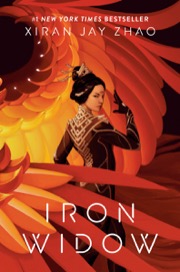
Iron Widow
by Xiran Jay Zhao
Same genre (sci fi). Same emotional weight (heavy)
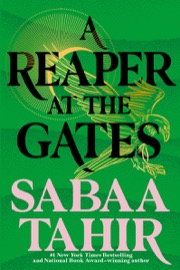
A Reaper at the Gates
by Sabaa Tahir
Same emotional weight (heavy). Same tension source (moral dilemma)
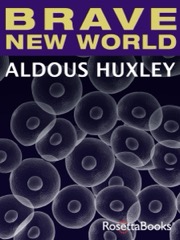
Brave New World
by Aldous Huxley
Same genre (sci fi). Both dark in tone
Want more picks like this?
Get 5 hand-picked book reviews for your child's age — one email a month.