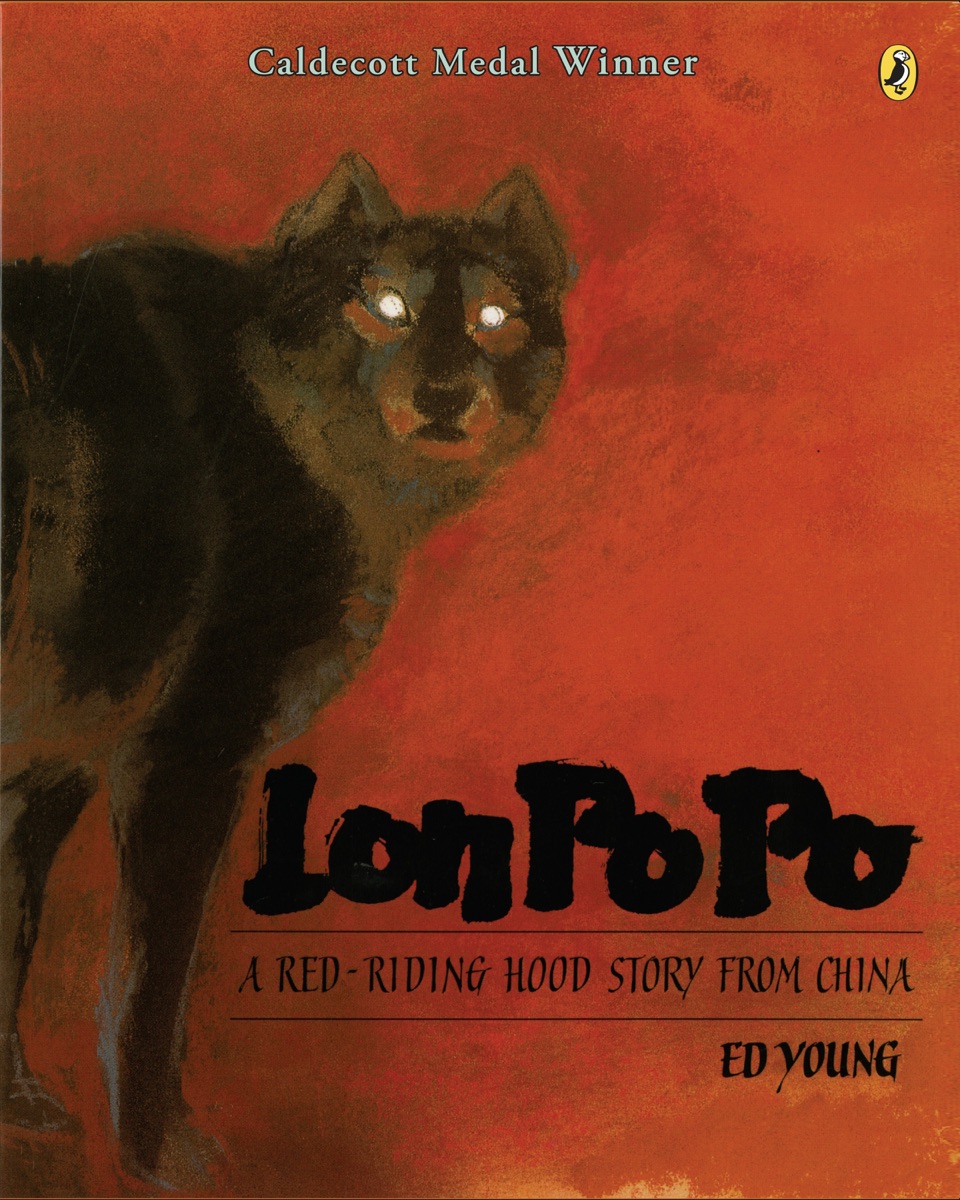
Lon Po Po: A Red-Riding Hood Story from China
by Ed Young
A Caldecott-winning Chinese retelling of Red Riding Hood where three clever sisters outsmart a wolf at the door.
The story
When their mother leaves to visit their grandmother for her birthday, three sisters — Shang, Tao, and Paotze — are tricked into letting a cunning wolf into the house. Shang, the eldest, notices something is wrong and invents a plan involving a gingko tree to save her sisters, in a lyrical, visually arresting folktale told in pastel triptych spreads.
Age verdict
Best shared with ages 5-7; four-year-olds may need a co-read, and eight- and nine-year-olds still enjoy it as a mentor text or cultural study.
Our take
Caldecott folktale that rewards classroom study and read-aloud more than solo kid-binge; teachers and parents will value it above what a typical entertainment-seeking child would rate it.
What stands out
Each audience's top 3 dimensions. Out of 30 scored per book.
Kids love
- Mental movie Exceptional
Comparable to Don't Let the Pigeon Drive the Bus! — the illustrations ARE the story. Young's triptych pastel-watercolor spreads create three indelible images (candle blown out plunging darkness; hairy face emerging; basket rising through tree). Sits at because both use visual storytelling as the primary hook.
- First-chapter grab Strong
Comparable to Lunch Lady and the Cyborg Substitute — both open in the most kid-grounded space with immediate stakes. Young's mother-warning + wolf-arrival on next page matches the cafeteria-line immediacy. Sits at because both plant the fuse within the first turn.
Parents love
- Writing quality Exceptional
Comparable to Charlotte's Web — the prose demonstrates mastery of compression and musicality. The sentence 'higher than the first time, higher than the second time, higher and higher and higher' is a masterwork climactic construction. The 1990 Caldecott Medal reflects this consensus. Sits below Charlotte because Young's scope is a single 32-page arc.
- Creative spark Exceptional
Off the Hook — both offer permission for young creators. Shang literally invents a folk belief inside the story to trap the wolf (permission for creative problem-solving), and Ed Young borrows Chinese scroll-painting triptych composition to tell scenes in three vertical panels (permission for visual variation). Sits below InvestiGators because Young's two points are less sustained.
Teachers love
- Read-aloud power Exceptional
Comparable to Interrupting Chicken — this is a read-aloud built from the ground up. Doubled addresses ('Po Po, Po Po'), the 'hei yo, hei yo' pulling chant, ascending comparatives for the climax, and page-turn beats are perfectly timed for a classroom listening circle. Sits below Interrupting because Young lacks the audience-interaction element.
- Mentor text quality Exceptional
Comparable to Interrupting Chicken — as a 1990 Caldecott Medal text and a frequently-cited Common Core exemplar, it models restraint, page-turn architecture, dramatic irony, and rule-of-three scaffolding at a level that rewards imitation exercises. Sits below Interrupting because Young's scope is bounded to one specific folktale form.
✓ Perfect for
- • Children who love fairy tales and folktales
- • Families looking for multicultural picture books
- • Read-aloud time with kids aged 5-7
- • Classrooms studying fairy-tale variants or Chinese folklore
- • Art-loving kids who respond to strong visual storytelling
Not ideal for
Very sensitive four-year-olds who may be unsettled by a wolf climbing into bed with children, or kids seeking an upbeat comedic read.
⚠ Heads up
At a glance
- Pages
- 32
- Chapters
- 8
- Words
- 1k
- Lexile
- 670L
- Difficulty
- Moderate
- POV
- Third Person Omniscient
- Illustration
- Fully Illustrated
- Published
- 1989
- Publisher
- Philomel Books
- Illustrator
- Ed Young
- ISBN
- 9780399549168
Mood & style
You'll know it worked when…
Parents and teachers finish this one and immediately pair it with the Western Red Riding Hood to compare; kids ask about gingko trees.
If your kid loved this
Matched across 30 dimensions — interest hooks, character appeal, tone, pacing, emotional core. Not by what other people bought. By what fits the same reader profile.
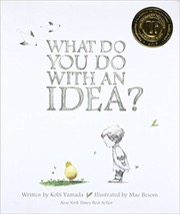
What Do You Do with an Idea?
by Kobi Yamada
fairy tale as secondary genre. Same pacing (measured)
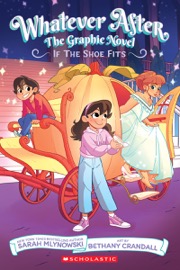
If the Shoe Fits
by Sarah Mlynowski
Same genre (fairy tale). Same emotional weight (moderate)
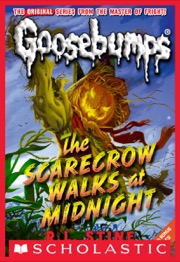
The Scarecrow Walks at Midnight
by R.L. Stine
Both suspenseful in tone. Same emotional weight (moderate)
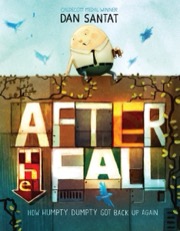
After the Fall (How Humpty Dumpty Got Back Up Again)
by Dan Santat
Same genre (fairy tale). Same emotional weight (moderate)

Hattie and the Fox
by Mem Fox
fairy tale as secondary genre. Same pacing (measured)
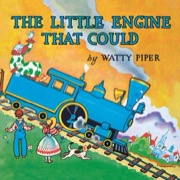
The Little Engine That Could
by Watty Piper
Same genre (fairy tale). Same emotional weight (moderate)
Want more picks like this?
Get 5 hand-picked book reviews for your child's age — one email a month.