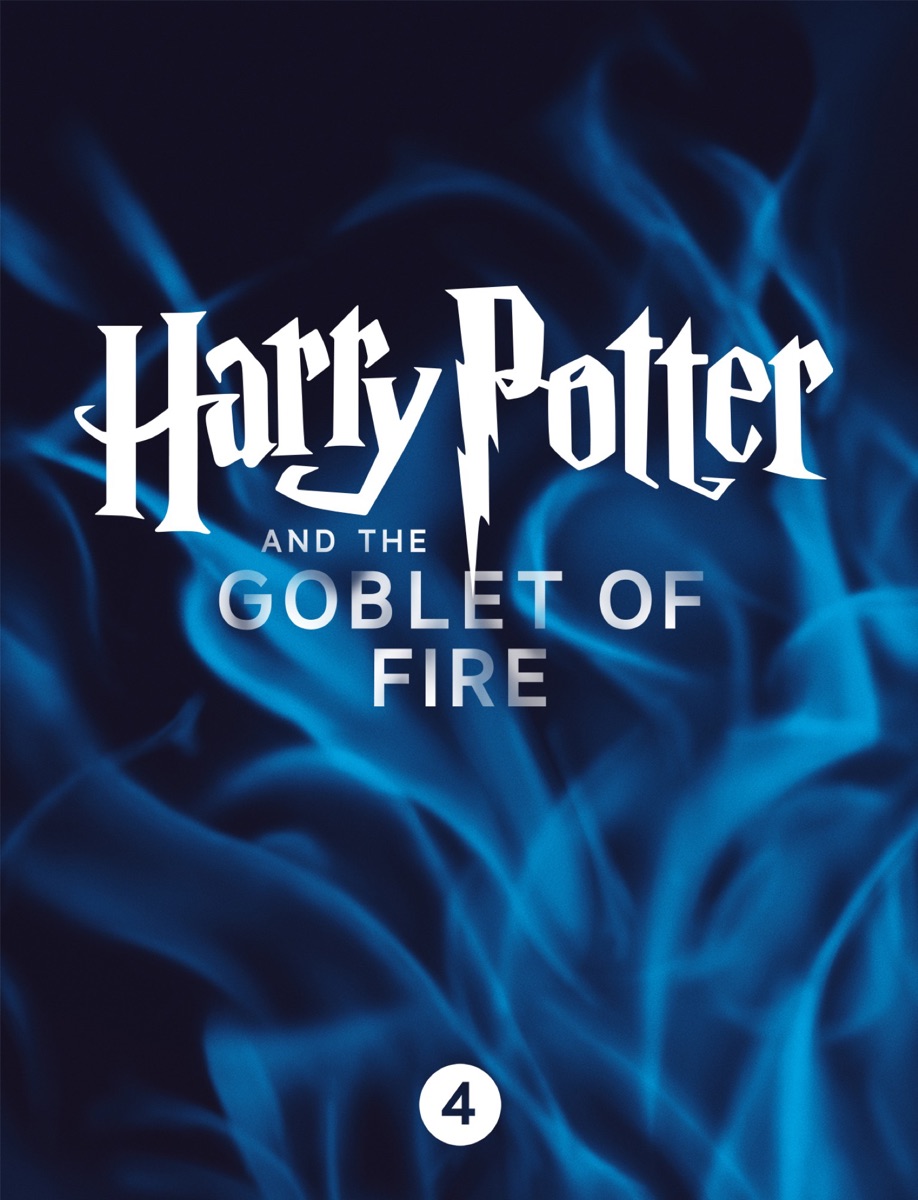
Harry Potter and the Goblet of Fire
by J.K. Rowling · Harry Potter #4
The Harry Potter series grows up — a thrilling magical tournament gives way to genuine danger, loss, and the realization that the world is darker than it seemed.
The story
Harry's fourth year at Hogwarts brings an international magical tournament, unexpected romantic tangles, and a deepening mystery about who wants him in mortal danger. As tasks escalate in difficulty and stakes, Harry navigates jealousy from friends, scrutiny from the press, and growing evidence that something far darker threatens the wizarding world beyond the tournament itself.
Age verdict
Best for ages 10-13. The darker themes and emotional weight mark this as the book where the series transitions from children's adventure to young-adult territory. Read the first three books first.
Our take
Adventure-dominant fantasy that excels at immersion and suspense, with growing emotional depth and strong classroom utility
What stands out
Each audience's top 3 dimensions. Out of 30 scored per book.
Kids love
- Mental movie Exceptional
The Sand Warrior — Both render multiple distinct, sensory-vivid visual worlds. HP4's Quidditch World Cup spectacle, Hungarian Horntail chase, underwater Black Lake with merpeople, graveyard resurrection ritual are cinematic sequences with sensory specificity. Durmstrang's ship, Beauxbatons' carriage, enchanted maze add visual variety. Sits at because: both achieve the K8=10 tier through expanded world-building with distinct visual palettes and international scope enabling cinema-grade visual imagination.
- First-chapter grab Exceptional
Comparable to Artemis Fowl — Both open with immediate, high-stakes character-driven action (Artemis conducting a criminal op; Frank Bryce's murder + Voldemort's return). HP4 matches Artemis's cold-open intensity establishing the villain's menace before the protagonist appears. Sits at because: Artemis has slightly more novelty (12-year-old criminal mastermind), while HP4 recycles Voldemort's threat; both earn 9+ hook scores through clarity of danger and reader disorientation.
Parents love
- Re-read durability Exceptional
clues to his true identity become visible, his seemingly helpful actions reveal sinister intent, and the reader experiences dramatic irony unavailable on first read. The graveyard sequence gains weight from knowing what's coming. The mystery structure and foreshadowing make this one of the most rewarding re-reads in the series. Sits below ACOTAR because: while dramatically ironic, HP4 doesn't reach ACOTAR's level of sustained emotional reframing across the entire arc.
- Writing quality Strong
gothic atmosphere (Riddle House), kinetic momentum (dragon chase), cold ceremonial dread (graveyard sequence) show range across horror, action, romance, and comedy without tonal whiplash. Sits at because: like Grimm, the writing serves multiple moods within a single book—well-crafted for genre without reaching literary-grade prose that calls attention to itself.
Teachers love
- Read-aloud power Strong
Comparable to Gathering Blue and Sylvester and the Magic Pebble — The opening's gothic atmosphere (Riddle House murder) is naturally performative; a teacher creates immediate classroom tension through vocal delivery. Character voices are distinct and performable (Moody's bark, Hagrid's dialect, Dumbledore's gravitas). Chapter lengths vary for natural stopping points. Tournament structure provides built-in cliffhangers for 'beg for next session' engagement. Sits at because: like Gathering Blue, the read-aloud power is strong without reaching Sylvester's full-immersion performability ceiling.
- Classroom versatility Strong
read-aloud, novel study, literature circles, independent reading, mentor text, assessment, creative writing. The tournament structure becomes an organizational framework for activities. Both Wander and Mr Fox achieve T2=8-10 through structural adaptability across teaching contexts. Sits at because: HP4 demonstrates genuine versatility comparable to Mr Fox, though the complexity and length limit some of the accessibility that Wander provides.
✓ Perfect for
- • Readers who loved books 1-3 and are ready for higher stakes and emotional complexity
- • Kids aged 10-13 who enjoy long, immersive fantasy with mystery elements
- • Young readers who can handle themes of loss and are ready for the series' tonal shift toward darkness
Not ideal for
Sensitive readers under 10 who may be disturbed by scenes of violence and character death, or readers looking for a standalone entry point into the series
⚠ Heads up
At a glance
- Pages
- 752
- Chapters
- 35
- Words
- 190k
- Lexile
- 880L
- Difficulty
- Challenging
- POV
- Third Person Limited
- Illustration
- Sparse
- Published
- 2000
- Publisher
- salamandra
- Illustrator
- Mary GrandPré
- ISBN
- 9786586733501
Mood & style
You'll know it worked when…
If your child finished books 1-3 eagerly and asks for more, they're ready — but be prepared for conversations about loss and fear.
If your kid loved "Harry Potter and the Goblet of Fire"
Matched across 30 dimensions — interest hooks, character appeal, tone, pacing, emotional core. Not by what other people bought. By what fits the same reader profile.
Rise of the Evening Star
by Brandon Mull
Same genre (fantasy). Both adventurous in tone
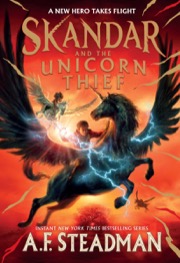
Skandar and the Unicorn Thief
by A.F. Steadman
Same genre (fantasy). Both adventurous in tone

City of Thirst
by Carrie Ryan and John Parke Davis
Same genre (fantasy). Both adventurous in tone
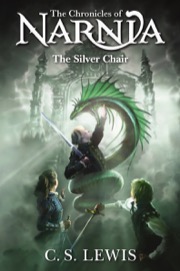
The Silver Chair
by C.S. Lewis
Same genre (fantasy). Both adventurous in tone
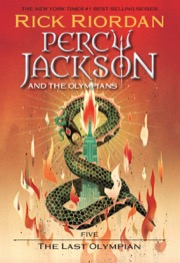
Percy Jackson 5 - The Last Olympian
by Rick Riordan
Same genre (fantasy). Both adventurous in tone

Spirit Animals Book 1: Wild Born
by Brandon Mull
Same genre (fantasy). Both adventurous in tone
Want more picks like this?
Get 5 hand-picked book reviews for your child's age — one email a month.