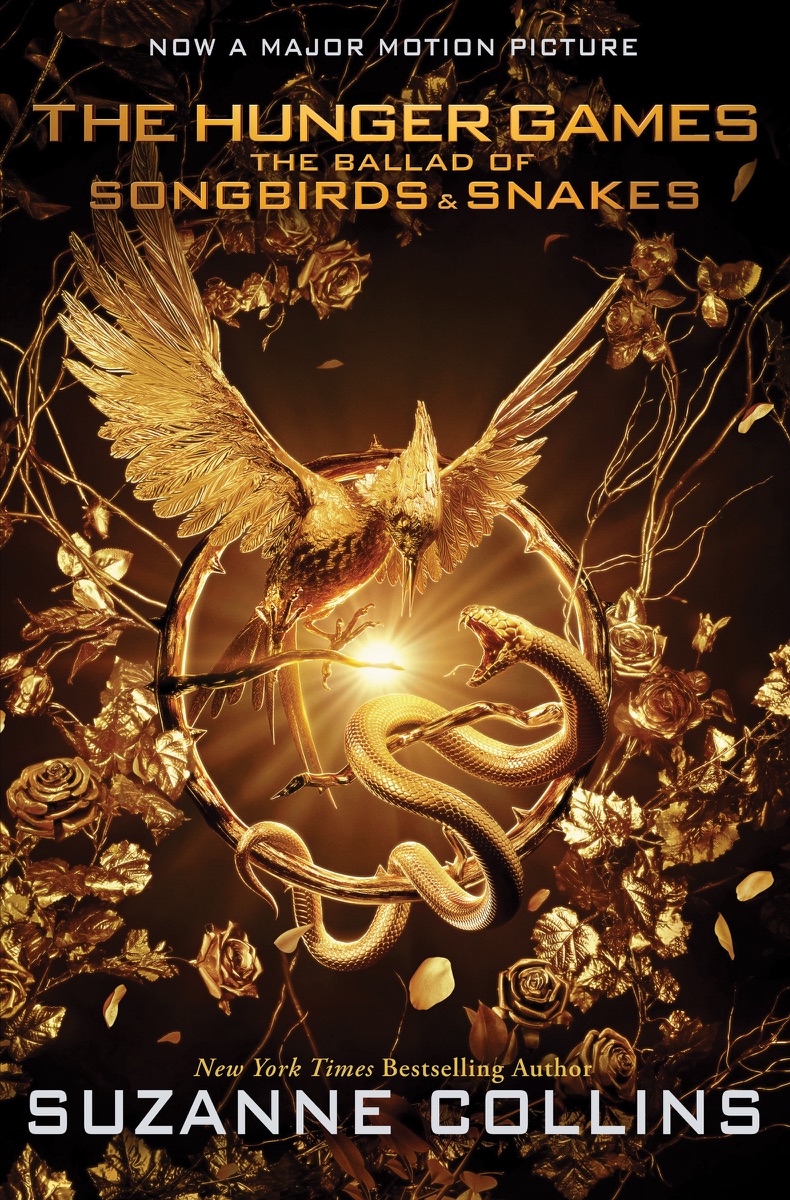
The Ballad of Songbirds and Snakes
by Suzanne Collins · The Hunger Games
A morally complex villain-origin story that will challenge how your teen thinks about power, loyalty, and the small choices that shape who we become.
The story
In a war-ravaged Capitol, a brilliant but impoverished young man is assigned to mentor an unlikely tribute from the poorest district in the newly created Hunger Games. What begins as a strategic alliance deepens into something more complicated, but ambition, institutional pressure, and a series of increasingly compromising choices will test whether love can survive when power is the only currency that matters.
Age verdict
Best at 13-16. Twelve-year-olds can handle the reading level but may struggle with the moral complexity and ambiguous ending. Pair with adult discussion for younger teens.
Our take
A literary powerhouse that adults appreciate more than kids — exceptional moral reasoning and critical thinking value with strong emotional sophistication, but the dark tone, villain protagonist, and sparse humor limit pure kid entertainment.
What stands out
Each audience's top 3 dimensions. Out of 30 scored per book.
Kids love
- First-chapter grab Strong
Comparable to All the Broken Pieces (7=K1) -- Opening triple-hook (borrowed shirt hiding poverty, cabbage symbolizing desperation, reaping ceremony with life-or-death stakes) creates urgent pull. Sits at because Artemis opens with twelve-year-old conducting criminal operation; Coriolanus opens with ambition entangled with desperation, equal urgency but less shocking.
- Middle momentum Strong
Comparable to Breakout (7=K2) -- Three-part structure (Mentor/Prize/Peacekeeper) prevents middle sag. Games section explodes with life-or-death action every chapter. Sits at because ticking-clock intensity matches Breakout's 22-day manhunt.
Parents love
- Moral reasoning Exceptional
Comparable to We Will Always Have Summer (10=P4) -- Nearly every chapter presents genuine moral dilemma without clean answer. Design of cruel system = complicity question. Protection via violence = justification question. Sits at below because Sejanus's fate is tragic consequence not choice-based dilemma.
- Emotional sophistication Exceptional
love entangled with possessiveness, grief contaminated by relief, ambition disguised as duty. Readers identify emotional dishonesty for themselves. Sits at below because emotional vocabulary implicit rather than explicit.
Teachers love
- Discussion fuel Exceptional
Comparable to Artemis Fowl (9=T5) -- Students passionately disagree because book provides genuine evidence for multiple moral positions. Violence justified? Betrayal forgivable? Refusal to redeem honest or nihilistic? All generate heated debate. Sits at below Brave New World's society-design scope.
- Critical thinking development Exceptional
Comparable to Artemis Fowl (10=T7) -- Unreliable narrator demands constant evaluation of truth vs self-deception. Institutional-design sequences require systems thinking (good intentions = harmful outcomes). Dramatic irony (knowing eventual fate) demands higher-order analysis. Sits at below because Artemis operates across multiple plot layers.
✓ Perfect for
- • Teens who love morally complex characters and anti-heroes
- • Readers who enjoy debating ethical dilemmas with no clean answers
- • Fans of the franchise who want to understand the world's origins
- • Students studying dystopian fiction, unreliable narrators, or political philosophy
Not ideal for
Readers who need a likeable protagonist or a hopeful ending. Also not for sensitive readers — the book contains graphic violence, an on-page execution, and a protagonist who makes increasingly disturbing choices without redemption.
⚠ Heads up
At a glance
- Pages
- 517
- Chapters
- 35
- Words
- 100k
- Lexile
- 860L
- Difficulty
- Challenging
- POV
- Third Person Limited
- Illustration
- None
- Published
- 2020
- ISBN
- 9780702333019
Mood & style
You'll know it worked when…
A teen who finishes this book and immediately wants to debate whether the protagonist was ever truly sympathetic has gotten the full experience.
If your kid loved "The Ballad of Songbirds and Snakes"
Matched across 30 dimensions — interest hooks, character appeal, tone, pacing, emotional core. Not by what other people bought. By what fits the same reader profile.
Brave New World
by Aldous Huxley
Same genre (sci fi). Both dark in tone
Allegiant
by Veronica Roth
Same genre (sci fi). Both dark in tone
Prodigy
by Marie Lu
Same genre (sci fi). Same emotional weight (heavy)
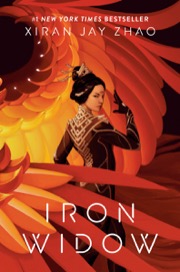
Iron Widow
by Xiran Jay Zhao
Same genre (sci fi). Same pacing (slow burn to explosive)
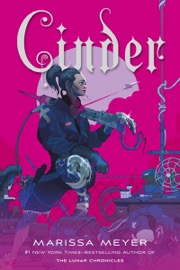
Cinder
by Marissa Meyer
Same genre (sci fi). Same pacing (slow burn to explosive)
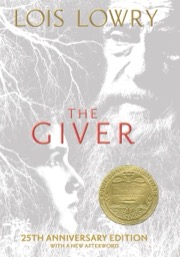
The Giver
by Lois Lowry
Same genre (sci fi). Same pacing (slow burn to explosive)
Want more picks like this?
Get 5 hand-picked book reviews for your child's age — one email a month.