
Click'd
by Tamara Ireland Stone · Click'd #1
A coding-camp whiz learns the hard way that building cool technology comes with real responsibility.
The story
Twelve-year-old Allie Navarro returns from coding camp with an impressive app and big ambitions for a prestigious competition. But when a new version of her project spreads through school and causes unexpected social fallout, Allie must confront the gap between good intentions and real consequences — and figure out how to rebuild both her project and her friendships.
Age verdict
Best for ages 9-12. Younger readers may miss the ethical nuances; older readers may find the social dynamics simple. Sweet spot is 10-11 year olds beginning to navigate technology and social complexity.
Our take
teacher-powered growth vehicle
What stands out
Each audience's top 3 dimensions. Out of 30 scored per book.
Kids love
- First-chapter grab Solid
Opens with Allie's coding-camp presentation to a packed auditorium — immediate physical action and performance stakes pull readers in within the first paragraph, comparable to Lunch Lady's kid-grounded cafeteria opener (8) but without that instant visceral hook, landing closer to All the Broken Pieces (7) with its emotional-mystery opening minus the poetry impact.
- Middle momentum Solid
Three distinct tension arcs (Like'd crisis Ch 8-9, rebuilding Pair'd Ch 14-20, Games for Good competition Ch 25-33) prevent the middle from sagging, with chapter endings consistently creating forward pull. Similar to Diary of a Wimpy Kid: Hard Luck (6) in maintaining systematic escalation, though the reflective rebuilding chapters (Ch 14-20) lack the relentless momentum of Breakout's ticking-clock middle (7).
Parents love
- Moral reasoning Strong
The Like'd crisis creates one of the richest tech-ethics dilemmas in middle-grade fiction — Allie must grapple with intended versus unintended consequences, data privacy, the difference between solving and creating problems, and the responsibility of builders (Ch 10-11). Ms. Slade's Socratic questioning models ethical reasoning without providing easy answers. Stronger than The Maze Runner's leadership-questioning moral territory (8) in that Allie's dilemma is entirely self-created, making the moral reasoning genuinely internal.
- Real-world window Strong
Provides an authentic, detailed window into app development culture, coding competitions, algorithmic matching, and the real social consequences of technology — all through the lived experience of a middle-school student. Comparable to Brian's Winter's ecological knowledge window (7) in teaching readers about a real discipline through narrative immersion. The tech ethics dimension adds depth beyond simple STEM exposure.
Teachers love
- Discussion fuel Strong
The Like'd crisis generates genuine student disagreement across multiple ethical dimensions: Was Allie wrong to build it? Who's responsible when users share it? Is shutting it down enough? What's the difference between solving a problem and creating one? Each question has defensible positions on both sides. Comparable to Earthquake in the Early Morning's four strong prompts (8) in handing teachers ready-made debate material; approaching Breakout's nearly-every-theme-generates-disagreement level (10).
- Project potential Strong
Multiple substantial project paths: design your own app to solve a school problem, create an ethical tech design proposal with privacy considerations, build a Games for Good competition entry, develop a digital citizenship campaign inspired by the Like'd crisis. The iterative design process (Click'd → Like'd → Pair'd) models real-world project methodology. Comparable to Don't Let the Pigeon's dramatization projects (8) in supporting diverse, extensible classroom projects.
✓ Perfect for
- • kids interested in coding, apps, or technology
- • readers who enjoy realistic middle-school friendship stories
- • kids navigating social media and digital ethics for the first time
- • STEM-curious girls looking for relatable role models
Not ideal for
Readers looking for fast-paced action, fantasy, or humor-driven stories. The reflective middle sections and ethical reasoning may feel slow for reluctant readers who need constant momentum.
At a glance
- Pages
- 304
- Chapters
- 36
- Words
- 65k
- Difficulty
- Moderate
- POV
- Third Person Limited
- Illustration
- None
- Published
- 2017
- Publisher
- Disney Hyperion
- ISBN
- 9781484784976
Mood & style
You'll know it worked when…
Most readers will finish in 3-5 days. The Like'd crisis creates a genuine need-to-know pull through the middle third.
If your kid loved "Click'd"
Matched across 30 dimensions — interest hooks, character appeal, tone, pacing, emotional core. Not by what other people bought. By what fits the same reader profile.
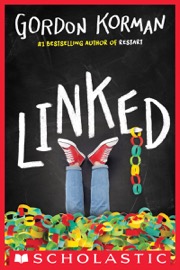
Linked
by Gordon Korman
Same genre (realistic fiction). Both hopeful in tone

Girl Code: Gaming, Going Viral, and Getting It Done
by Andrea Gonzales, Sophie Houser
Same genre (realistic fiction). Both hopeful in tone

Should I Share My Ice Cream?
by Mo Willems
Same genre (realistic fiction). Same pacing (rollercoaster)
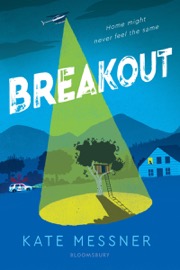
Breakout
by Kate Messner
Same genre (realistic fiction). Both hopeful in tone
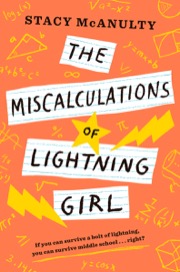
The Miscalculations of Lightning Girl
by Stacy McAnulty
Same genre (realistic fiction). Both hopeful in tone
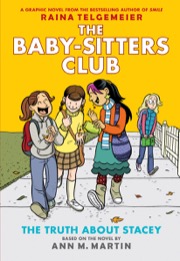
The Truth About Stacey
by Ann M. Martin
Same genre (realistic fiction). Both hopeful in tone
Want more picks like this?
Get 5 hand-picked book reviews for your child's age — one email a month.