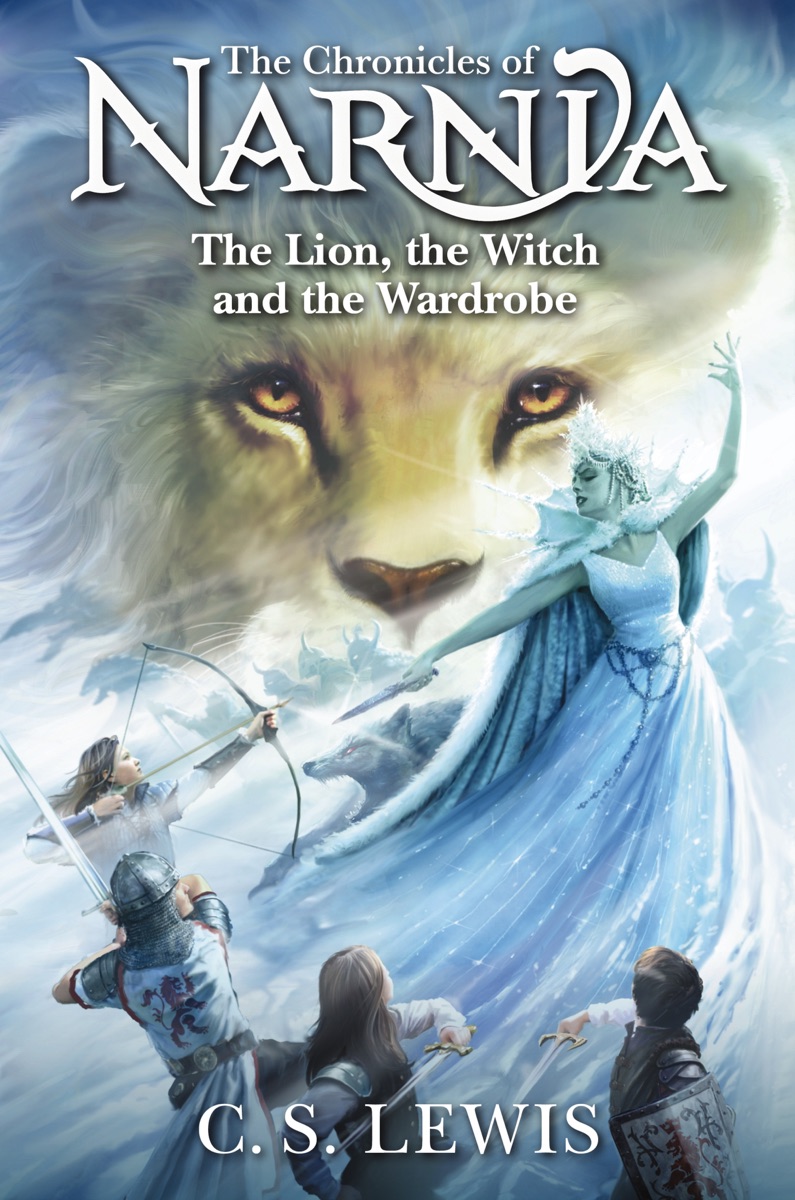
The Lion, the Witch and the Wardrobe
by C.S. Lewis · The Chronicles of Narnia #1
The fantasy classic that taught generations of children to check the backs of wardrobes
The story
Four siblings evacuated from wartime London discover a magical world through a wardrobe in an old professor's house. When the youngest tells the truth about Narnia and no one believes her, and when one brother makes a terrible choice driven by selfishness and enchanted candy, the children are drawn into a conflict between a tyrannical winter queen and a mysterious, powerful lion. Their journey tests loyalty, courage, and the capacity for forgiveness.
Age verdict
Best at 8-11. Strong 7-year-olds can handle it with parent support. The emotional intensity of the sacrifice scene is age-appropriate but may prompt questions about loss and justice. Older readers discover deeper philosophical layers.
Our take
Literary fantasy classic with strong teaching value and emotional depth; humor is the clear weak spot while world-building and moral complexity are standout strengths across all three perspectives.
What stands out
Each audience's top 3 dimensions. Out of 30 scored per book.
Kids love
- New world unlocked Exceptional
Comparable to The Golem's Eye — Narnia is among the most enduring imaginary worlds in children's literature. The wardrobe portal, lamppost, Aslan mythology, talking animals, and four-throne prophecy create layered mythology. Sits at because the "check your wardrobe" impulse spans generations and the world-building depth rivals the most inventive secondary worlds.
- Heart-punch Strong
Comparable to Earthquake in the Early Morning — Aslan's voluntary death at the Stone Table is emotionally devastating, building with restraint that honors genuine grief. The extended mourning and unspoken reconciliation carry quiet weight. Sits at because the emotional peak is singular and well-executed, though not grief-constant throughout the full narrative.
Parents love
- Writing quality Exceptional
Unicorn of the Sea — Lewis achieves literary mastery: seasonal descriptions accelerate with rhythm, emotional moments are rendered with restrained precision, the narrator's confiding voice addresses readers without condescension. The wardrobe passage and the Stone Table sequence are passages parents read twice for language alone. Sits at because Lewis is genuinely masterful but Charlotte's Web and Narwhal reach the absolute ceiling of prose artistry.
- Moral reasoning Strong
the Witch's claim on Edmund is technically valid under Deep Magic, and Aslan does not argue the law is wrong—he supersedes it through voluntary sacrifice. Forgiveness without earned punishment teaches that mercy and justice can coexist in tension. Sits below because the moral reasoning IS sophisticated but doesn't reach the "no easy answers" ceiling of Artemis Fowl.
Teachers love
- Classroom versatility Strong
read-aloud (distinct voices, suspense), novel study (thematic depth), literature circles (debatable moral questions), mentor text (multiple teachable craft passages), independent reading (accessible and engaging), and assessment (analytical essay opportunities). Sits at because versatility is genuine but craft diversity is good rather than exceptional.
- Mentor text quality Strong
the wardrobe-to-forest sensory transition models tone-shifting and world-building; the Professor's dialogue models logical argumentation through character speech; the emotional climax demonstrates sustained tension through precise detail. Sits at because craft lessons are solid (4-5 distinct lessons available) but visual storytelling diversity is limited.
✓ Perfect for
- • Imaginative readers who love discovering new fantasy worlds
- • Children exploring themes of right and wrong, betrayal and forgiveness
- • Families looking for a read-aloud classic with rich discussion potential
- • Readers aged 8-11 ready for emotionally substantial storytelling
Not ideal for
Reluctant readers who need visual elements or very contemporary voice. The 1950s prose style and unillustrated format require some reading stamina. Children under 7 may find the Stone Table sequence emotionally intense.
⚠ Heads up
At a glance
- Pages
- 208
- Chapters
- 18
- Words
- 38k
- Lexile
- 940L
- Difficulty
- Moderate
- POV
- Third Person Omniscient
- Illustration
- Sparse
- Published
- 1950
- Publisher
- HarperCollins
- Illustrator
- Pauline Baynes
- ISBN
- 9780064404990
Mood & style
You'll know it worked when…
Most children who make it through the first three chapters (Lucy's discovery and return) will finish the book. The wardrobe hook is the key gateway.
If your kid loved this
Matched across 30 dimensions — interest hooks, character appeal, tone, pacing, emotional core. Not by what other people bought. By what fits the same reader profile.
The Stonekeeper
by Kazu Kibuishi
Same genre (fantasy). Both adventurous in tone
Rise of the Evening Star
by Brandon Mull
Same genre (fantasy). Both adventurous in tone
The Land of Stories: A Grimm Warning
by Chris Colfer
Same genre (fantasy). Both adventurous in tone
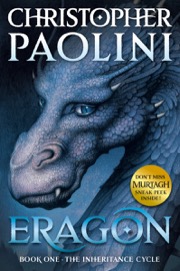
Eragon
by Christopher Paolini
Same genre (fantasy). Both adventurous in tone
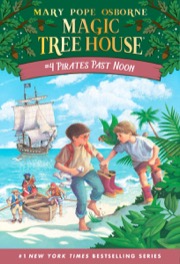
Pirates Past Noon
by Mary Pope Osborne
fantasy as secondary genre. Both adventurous in tone
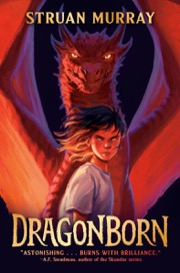
Dragonborn
by Struan Murray
Same genre (fantasy). Both adventurous in tone
Want more picks like this?
Get 5 hand-picked book reviews for your child's age — one email a month.