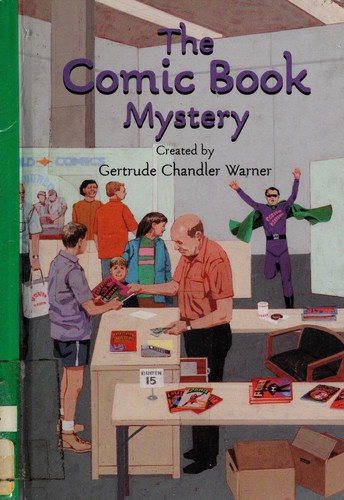
Comic Book Mystery
by Gertrude Chandler Warner · The Boxcar Children #93
A cozy formula mystery that teaches kids how comics are made
The story
When the four Alden children finally find a rare issue of their favorite comic book, a mysterious note hidden inside launches them into a counterfeiting investigation. With help from the comic's real artist, they follow clues through a publishing house, a fan club meeting, and a bustling comic convention to unmask the culprit.
Age verdict
Best for ages 6-9; the mystery is genuinely engaging for this age range but too transparent for older readers.
Our take
A cozy formula mystery that works best as a reading-gateway and creative inspiration, scoring evenly low across all three lenses
What stands out
Each audience's top 3 dimensions. Out of 30 scored per book.
Kids love
- Ending satisfaction Strong
Wander full-circle restoration; Comic Book delivers every promised payoff (mystery solved, thief caught, real comic received, homemade comic given). Sits below because resolution is formula-executed rather than earned through character arc.
- First-chapter grab Solid
rare comic hunt, costumed character outbidding children, mysterious note, implicit mystery. All land in first chapter. Sits below because Lunch Lady operates in most-familiar kid space (cafeteria) with immediate action; this requires collecting interest contextually.
Parents love
- Reading gateway Strong
The Sand Warrior — Both gateway books: 112 pages, short chapters, simple vocabulary, illustrations. Sits below Sand Warrior because graphic format removes reading entirely; this requires decoding skill.
- Real-world window Solid
Eyes into Asian American home; Comic into comic production, antique collecting, counterfeiting. Sits at anchor.
Teachers love
- Reluctant reader rescue Strong
Hard Luck — 112 pages, short chapters, mystery format, illustrations. Sits below Wimpy Kid whose visual design (diary format, constant illustrations) removes more barriers.
- Writing prompt potential Solid
Comparable to Bake Sale — Directly models comic creation providing strong project-based prompt. Sits at anchor; equivalent writing-invitation strength.
✓ Perfect for
- • Early independent readers ages 6-9 who enjoy gentle mysteries with clear clues and tidy resolutions. Especially appealing for children interested in comic books
- • art
- • or creative careers.
Not ideal for
Readers above age 10 who want unpredictable plots, emotional depth, or literary prose will find this too formulaic and simple.
At a glance
- Pages
- 112
- Chapters
- 10
- Words
- 15k
- Lexile
- 610L
- Difficulty
- Easy
- POV
- Third Person Omniscient
- Illustration
- Sparse
- Published
- 2003
- Publisher
- Albert Whitman & Company
- Illustrator
- Hodges Soileau
- ISBN
- 9780807555293
Mood & style
You'll know it worked when…
Most readers in the target age range will finish this quickly — the short chapters, simple vocabulary, and mystery pull make it hard to abandon, and at 112 pages it requires minimal stamina.
If your kid loved "Comic Book Mystery"
Matched across 30 dimensions — interest hooks, character appeal, tone, pacing, emotional core. Not by what other people bought. By what fits the same reader profile.

Encyclopedia Brown and the Case of the Secret Pitch
by Donald J. Sobol
Same genre (mystery). Same pacing (steady clip)
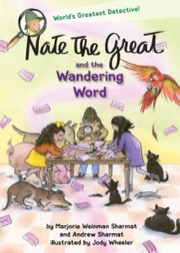
Nate the Great and the Wandering Word
by Marjorie Weinman Sharmat and Andrew Sharmat
Same genre (mystery). Both warm in tone
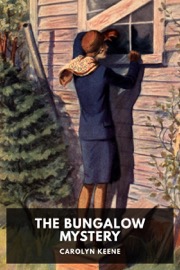
The Bungalow Mystery
by Carolyn Keene
Same genre (mystery). Same pacing (steady clip)

Cam Jansen and the Chocolate Fudge Mystery
by David A. Adler
Same genre (mystery). Same pacing (steady clip)
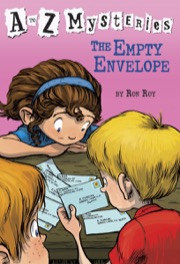
A to Z Mysteries: The Empty Envelope
by Ron Roy
Same genre (mystery). Same pacing (steady clip)
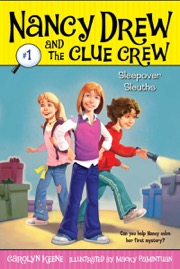
Sleepover Sleuths
by Carolyn Keene
Same genre (mystery). Both warm in tone
Want more picks like this?
Get 5 hand-picked book reviews for your child's age — one email a month.